Building a smart home doesn’t have to drain your bank account. In fact, an estimated 70% of households now own at least one smart home device, with many seeking affordable yet effective solutions. As explored in the accompanying video, the market is brimming with budget-friendly options that deliver impressive functionality without compromising quality. This guide expands on those insights, providing a detailed look at some of the best inexpensive smart home devices that truly offer significant value.
Smart Lighting: Brilliant Solutions Without the Premium Price Tag
Smart light bulbs and light strips are often the gateway to smart home automation, offering convenience and ambiance at an accessible price. While some bulbs can be prohibitively expensive, there are many robust options available for under $15, making them ideal for both beginners and those looking to outfit every corner of their home.
Affordable Smart Light Bulbs
When selecting smart bulbs, key factors include brightness (lumens), color rendition index (CRI), and smart home compatibility. The Kasa 1000 lumen bulb, priced around $13, presents a bright and colorful entry point. While its CRI of 88 is decent, it won’t offer the absolute best color accuracy. A crucial consideration for future-proofing your smart home is Matter compatibility.
For those prioritizing Matter, the Linkind bulbs stand out. After extensive testing, Linkind’s Matter-enabled bulbs demonstrated superior connectivity compared to some competitors. Available in an 800 lumen smaller size and a remarkably bright A19 size offering 1600 lumens, they cater to diverse lighting needs. Their CRI of over 90 ensures more accurate color representation, making them an excellent choice for general illumination where white light quality is important. Despite the slight trade-off in RGB color vibrancy compared to Kasa, their Matter compatibility and reliable performance make them a top contender for budget-conscious smart home builders.
Dynamic Light Strips
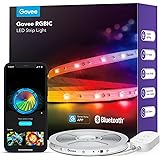
Light strips can add a layer of sophistication and mood lighting to any space. The challenge is finding options that provide dedicated warm and cool white LEDs, which are essential for creating natural-looking lighting, rather than just basic RGB colors. Two standout budget-friendly options offer this critical feature:
- Wiz Light Strips: These Wi-Fi-based strips, priced around $33, are praised for their excellent warm and cool white tones, which are both bright and accurate. Their integration with most smart home systems, combined with their strong white light performance, makes them ideal for ambient or task lighting in areas like a living room. It’s worth noting that Wiz is part of the Signify family, alongside Philips Hue, explaining their compatible aesthetic.
- Aqara T1 Light Strips: At $45, the Aqara T1 offers a slightly different value proposition. Utilizing Zigbee technology, these strips boast brighter RGB colors and the ability to connect directly to Home Assistant via a Zigbee dongle. However, for advanced lighting effects like multiple colors simultaneously, an Aqara Zigbee hub is required. While their warm and cool whites aren’t as bright as Wiz, the T1’s Zigbee connectivity and vibrant color capabilities appeal to those deeper into home automation and custom effects.
Enhancing Home Security and Access on a Budget
Security is a paramount concern for many homeowners, and smart devices like doorbells, locks, and cameras provide essential peace of mind. Thankfully, robust, feature-rich options exist that won’t require a substantial investment.
Video Doorbells: Monitoring Your Front Porch
A smart video doorbell is one of the most popular smart home devices, offering visual monitoring and communication with visitors. The Reolink Wi-Fi doorbell, available for approximately $110, stands out for several compelling reasons:
- No Subscription Fees: Many budget doorbells employ “sneaky tactics” to push users into monthly cloud storage fees. Reolink avoids this, allowing for truly free operation.
- 24/7 Local Recording: A standout feature is the ability to record continuously to an onboard SD card or a Reolink NVR (Network Video Recorder). This ensures comprehensive coverage without missing critical moments, a significant advantage over event-based cloud storage.
- HDR (High Dynamic Range) Support: HDR technology dramatically improves image quality, especially in challenging lighting conditions where shadows and bright spots coexist. This prevents footage from being “blown out,” ensuring clear identification even with bright sunlight behind a person.
While the Eufy E340 at $150 also offers no fees and is a decent option, the Reolink’s lower price point and 24/7 recording capabilities make it a superior value for continuous security.
Smart Door Locks: Keyless Convenience and Control
Smart door locks prioritize convenience and a layer of security. Fingerprint readers offer the quickest and most reliable access. The Eufy E31, priced around $150, is a Matter-enabled lock with a rechargeable battery and a fingerprint reader. However, its lightweight construction might raise durability concerns, and full setup, including fingerprint and codes, still requires the Eufy app despite its Matter compatibility, which can be a point of frustration for power users aiming for local control.
Conversely, the Aqara U100, at about $142, feels substantially more robust. It boasts excellent fingerprint recognition, even with wet hands, a crucial feature in humid climates. The U100 offers direct pairing with Apple HomeKit and supports HomeKey for iPhone/Watch tap-to-unlock functionality. While it requires an Aqara hub for Matter compatibility and integration with Home Assistant, its build quality and reliable performance make it a strong contender, particularly for Apple users or those prioritizing physical security.
Smart Indoor and Outdoor Cameras
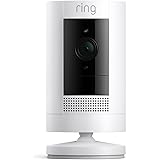
Keeping an eye on your property, both inside and out, doesn’t demand expensive subscriptions. For indoor monitoring, the Tapo C120 camera, around $25, is a compelling choice. It offers 24/7 local recording to an SD card, a variety of alert types (including baby crying detection), and seamless integration with Home Assistant for live stream viewing. Its combination of price, features, and no-fee operation makes it a top pick for monitoring garages, nurseries, or general indoor spaces.
For outdoor surveillance, Reolink again emerges as the go-to budget option. Their cameras, like the RLC 810A 4K camera (around $80), are known for their robust build, excellent Home Assistant integration, and no-fee operation, often leveraging a Reolink NVR for 24/7 continuous recording. While battery/solar options exist, hardwired cameras are generally more reliable and better integrated for continuous recording and smart home automation. Choosing a camera that can record 24/7 to a local NVR or SD card is critical for outdoor use, mitigating the risks of unreliable cloud storage or missed events if an internet connection drops.
Advanced Automation and Environmental Monitoring
Beyond basic security and lighting, smart homes excel at automating routines and monitoring environmental conditions, often with devices that are surprisingly affordable.
Motion, Presence, and Contact Sensors
These essential sensors are the eyes and ears of your smart home, triggering automations based on activity. Both Aqara and Thirdreality offer excellent Zigbee-based budget sensors, typically around $20.
- Motion Sensors: The Aqara motion sensor is smaller and includes a stand, while the Thirdreality sensor is slightly larger but uses readily available AAA batteries, which are often rechargeable, offering greater convenience and longevity compared to coin cell batteries.
- Millimeter Wave/Presence Sensors: Traditional motion sensors detect movement, but millimeter wave sensors detect subtle body movements, like breathing, providing true “presence detection.” This prevents lights from turning off if you’re sitting still. The Treatlife sensor ($30) is a basic Wi-Fi option for Amazon/Google users. For Home Assistant users, the Aqara FP1E ($40, Zigbee) and Apollo MSR-2 ($40, ESP Home) offer more advanced features, including distance detection. The Aqara FP1E provides seamless Zigbee integration, while the Apollo MSR-2 offers a compact, wall-outlet-mountable design.
- Contact Sensors: Similar to motion sensors, Thirdreality and Aqara dominate this category. The Thirdreality contact sensor’s use of AAA batteries and a stronger magnet are significant advantages. The larger battery capacity can also contribute to a stronger signal, reducing instances of devices going offline, an issue that can plague smaller, coin-cell-powered sensors like some Aqara models, which might go offline a couple of times a year.
Water Leak Sensors and Smart Buttons
Water leak sensors are crucial for early detection of leaks, potentially saving thousands in damage. Surprisingly, the IKEA water leak sensor, at just $10, offers exceptional value. It’s roughly half the price of Aqara or Thirdreality alternatives, uses a single AAA battery, integrates flawlessly with Home Assistant via Zigbee, and includes a built-in siren. While Thirdreality’s sensor might offer a louder siren and more contact options, the IKEA sensor’s affordability makes it ideal for widespread deployment throughout a home.
Smart buttons offer flexible control over various smart home scenes. While IKEA’s new Zigbee buttons have some compatibility issues with Home Assistant, Thirdreality’s Zigbee button is a standout. It supports single, double, and long presses, offering multiple functions from a single device. Its use of AAA batteries and magnetic mount further enhance its practicality.
Vibration Sensors and Smart Outlets with Power Monitoring
Vibration sensors can detect opening/closing of windows, doors, or even washer/dryer cycles. While the Aqara vibration sensor (around $17) is an option, spending an extra $3 for the Thirdreality vibration sensor is highly recommended. It offers adjustable sensitivity, superior responsiveness, and crucially, uses AAA batteries instead of less convenient coin cells.
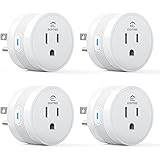
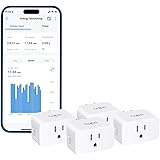
Smart outlets with power monitoring are invaluable for automating appliances based on their energy consumption. Kasa offers a Matter-enabled Wi-Fi version, but full power monitoring functionality often requires using the Kasa integration in Home Assistant rather than just Matter. For around the same price ($12-13), IKEA and Thirdreality provide Zigbee smart outlets that include power monitoring. These Zigbee outlets also act as repeaters, extending the range and reliability of your entire Zigbee mesh network, a distinct advantage over Wi-Fi-only options.
Garage Door Controllers and Smart Thermostats
A smart garage door controller provides peace of mind, ensuring your garage is never accidentally left open. Meross offers highly reliable options, with a $30 version for Amazon/Google/SmartThings and a $50 HomeKit version. The HomeKit version, which connects locally to Home Assistant, uses a wired sensor for superior reliability over battery-powered alternatives.
While smart thermostats can be a significant investment, budget-friendly choices exist. The Honeywell X2S is a new Matter-certified option at $100. However, the Ecobee Essential (effectively an Ecobee3 Lite), priced around $130, offers superior functionality. Although it lacks a built-in motion sensor, it supports Ecobee’s remote sensors for presence detection and provides granular control over HVAC settings. Its robust HomeKit integration, which operates locally with Home Assistant, makes it a highly reliable and user-friendly option despite a slightly higher cost.
Air Quality Monitors
Air quality monitors, a relatively new addition to many smart homes, are becoming increasingly important for health. Two inexpensive options stand out:
- Apollo MSR-2 with CO2 Sensor: For an additional $20 on top of the millimeter wave sensor, you can add a CO2 sensor, ideal for monitoring stuffy rooms and triggering ventilation automations.
- IKEA PM2.5 and VOC Sensor: This Zigbee-enabled sensor, around $50, measures particulate matter (PM2.5) and volatile organic compounds (VOCs). It’s incredibly useful for monitoring air quality near 3D printers, in kitchens, or any area where airborne pollutants might be a concern.
The landscape of inexpensive smart home devices has never been more vibrant, with options catering to every need and budget. Whether you’re enhancing security, automating lighting, or monitoring your environment, careful selection can lead to a powerful and efficient smart home ecosystem without overspending.
Worth Your While? Your Smart Home Savings Q&A
Can I build a smart home on a budget?
Yes, absolutely! The article highlights that building a smart home doesn’t have to be expensive, with many budget-friendly options available that offer great functionality without compromising quality.
What types of affordable smart home devices are recommended?
You can find recommended cheap smart home devices across various categories, including smart lighting (bulbs, strips), security (video doorbells, locks, cameras), and advanced automation (motion, contact, leak sensors, and smart outlets).
What is Matter compatibility and why should I care about it?
Matter compatibility is a crucial factor for future-proofing your smart home, ensuring that devices from different brands can work together seamlessly. This standard helps ensure better connectivity and broader integration across your smart home system.
Do I need to pay monthly fees for cheap smart home devices?
Not necessarily. Many recommended budget smart home devices, especially security cameras and doorbells like Reolink, offer local recording and functionality without requiring expensive monthly cloud subscription fees.