The landscape of modern living and productivity is rapidly being redefined by an influx of intelligent solutions, from smart appliances to incredibly versatile tools. As hinted at by the vibrant energy in the accompanying video, the evolution of gadgets and utilitarian items is not merely about novelty; it represents a significant leap towards enhanced efficiency, unparalleled convenience, and greater interconnectedness within our daily environments. These innovations leverage cutting-edge technology to streamline tasks, automate processes, and provide users with a level of control and insight previously unimaginable.
The Intelligent Kitchen: Redefining Culinary Efficiency
The modern kitchen stands as a prime example of technological integration. Smart appliances are transforming how we prepare meals, manage groceries, and maintain a hygienic cooking space. These devices frequently connect to a home network, allowing for remote operation and sophisticated data analytics.
Advanced Smart Kitchen Appliances
Refrigerators now offer features like internal cameras for checking inventory remotely, touchscreens for recipe suggestions, and even automatic ordering of staple items. For instance, recent industry reports indicate a 15% year-over-year growth in smart refrigerator adoption, driven by features that reduce food waste and optimize grocery lists. Smart ovens, conversely, incorporate precision cooking modes, guided baking, and self-cleaning cycles activated from a smartphone. These advancements ensure consistent results and minimize active oversight.
Versatile Utensils and Preparation Tools
Beyond the large appliances, innovative kitchen gadgets streamline complex tasks. Multi-function food processors, for example, now combine chopping, blending, and even heating capabilities into a single unit, saving countertop space and reducing clutter. Digital scales with nutritional tracking sync with apps to provide detailed caloric and macronutrient breakdowns, a feature increasingly popular among health-conscious consumers. Data shows that users of smart kitchen scales report a 20% improvement in dietary adherence over traditional methods.
Transforming the Smart Home Landscape with Connected Gadgets
The influence of smart technology extends far beyond the kitchen, permeating every facet of the home. These integrated systems create environments that are more responsive, secure, and energy-efficient. Home automation is no longer a luxury but a growing standard for modern residences.
Comprehensive Home Automation Gadgets
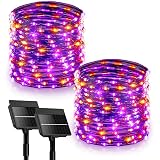
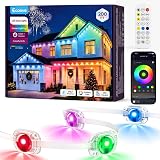
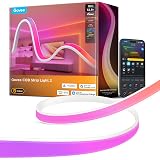
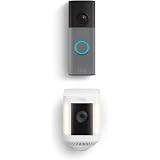
Smart lighting systems, incorporating LED technology, offer customizable ambiance and significant energy savings, often reducing electricity consumption by up to 80% compared to incandescent bulbs. Smart thermostats learn occupant preferences and adapt to weather patterns, optimizing climate control for comfort and cost-effectiveness. Furthermore, advanced security systems integrate high-definition cameras, motion sensors, and remote access, providing robust protection and peace of mind. These systems collectively contribute to a predictive home environment.
IoT-Enabled Devices for Enhanced Living
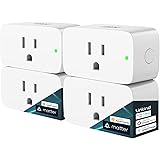
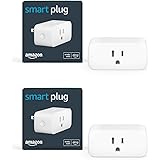
The Internet of Things (IoT) serves as the backbone for these interconnected devices, allowing various gadgets to communicate seamlessly. Smart speakers act as central hubs, managing schedules, playing media, and controlling other smart devices through voice commands. Air purifiers with integrated sensors monitor air quality in real-time, automatically activating when pollutant levels rise, contributing to improved indoor health. This integration signifies a shift towards truly intelligent living spaces that anticipate user needs.
Advancing Productivity with Innovative Tools
The realm of tools, from professional equipment to DIY essentials, has also seen a significant infusion of smart technology. These advancements enhance precision, improve safety, and unlock new levels of functionality. Innovation in this sector is driven by the need for greater accuracy and efficiency.
Smart Power and Measuring Tools
Power tools now feature embedded sensors that provide real-time feedback on torque, speed, and battery life, preventing errors and optimizing performance. For instance, a smart drill might adjust its RPM based on material density, extending bit life and preventing damage to the workpiece. Digital tape measures connect to smartphone apps, allowing for instant calculations of area or volume and seamless transfer of measurements to project plans. This integration significantly reduces manual calculation errors, which can account for up to 10% of project delays in construction contexts.
Specialized Versatile Tools
Modular toolkits, offering interchangeable heads for different functions (drilling, sanding, sawing), exemplify versatility in design. These systems provide a comprehensive solution in a compact form factor, appealing to both hobbyists and professionals. Smart stud finders use advanced scanning technology to detect not only studs but also electrical wiring and plumbing pipes behind walls, enhancing safety during renovation projects. This predictive capability prevents costly damage and injury, making them invaluable assets.
The Core Technologies Driving Innovation
Underlying the functionality of these smart appliances, gadgets, and innovative tools are sophisticated technological advancements. The integration of artificial intelligence (AI), machine learning (ML), and robust connectivity protocols enables their intelligence. These technologies process vast amounts of data to deliver their core functionalities.
Connectivity and Data Analytics
Wi-Fi, Bluetooth, and emerging IoT protocols like Thread or Matter provide the essential connectivity for these devices to communicate. Data collected from sensors on smart appliances and tools is often processed through cloud-based AI algorithms. These algorithms learn user patterns, predict needs, and optimize device performance over time. For example, predictive maintenance features in industrial tools, powered by ML, can forecast component failures with 90% accuracy, significantly reducing downtime.
Artificial Intelligence and User Experience
AI facilitates intuitive user interfaces, often incorporating natural language processing for voice commands. It also underpins the adaptive capabilities of smart devices, allowing them to adjust to environmental changes or user preferences without explicit instruction. This focus on seamless user experience (UX) is critical for broader adoption. The goal is to make complex technology feel effortlessly integrated into daily life, providing tangible benefits with minimal user intervention.
The proliferation of smart appliances and innovative gadgets marks a significant shift in how we interact with our homes and tools. These advancements provide not just convenience, but tangible improvements in efficiency, safety, and overall quality of life. The market for smart home technology, including versatile utensils and advanced tool items, is projected to exceed $150 billion globally by 2025, underscoring the enduring demand for intelligent solutions that streamline our increasingly complex world.
Demystifying Your Smart Home: Gadgets, Utensils, and Tools Q&A
What are ‘smart appliances’ and ‘gadgets’?
Smart appliances and gadgets use technology to connect, automate tasks, and make daily life more convenient and efficient in your home.
Where can I find smart technology in my home?
Smart technology can be found in kitchens, with appliances like smart refrigerators and ovens, and throughout the home in lighting systems, thermostats, and security devices.
What are the main benefits of using smart devices?
Smart devices offer benefits like increased efficiency, greater convenience, improved safety, and the ability to save energy and streamline various household tasks.
How do these smart devices typically connect and work?
Most smart devices connect to your home’s network using Wi-Fi or Bluetooth, often relying on the Internet of Things (IoT) and artificial intelligence (AI) to communicate and learn.
Are there smart tools beyond home appliances?
Yes, innovative tools can also be smart, featuring sensors for precision, real-time feedback, and connectivity to apps for better project management and safety.