Choosing the right energy tracking solution can be tricky. Many homeowners want to maximize their solar self-consumption. They need accurate data to do this effectively. This guide, complementing the video above, compares the Anker Smart Meter and the Anker Smart Plug. It helps you pick the best device for your Anker Solarbank Pro or Plus system. We will explore their differences in installation, costs, and functionality. This ensures you make an informed decision for your home’s energy management.
Demystifying Energy Tracking with Anker Solarbank Systems
Solar energy offers great independence. Devices like the Anker Solarbank store excess power. Tracking your energy usage is crucial for optimization. It tells your Solarbank when to release stored electricity. This prevents sending power back to the grid unnecessarily. Accurate energy tracking saves you money.
Both Anker Smart Meter and Anker Smart Plug serve this purpose. They communicate with your Anker Solarbank. This allows intelligent power distribution. They ensure you use your generated solar power efficiently.
Anker Smart Meter vs. Anker Smart Plug: Core Differences
These two devices offer distinct approaches to energy monitoring. The Anker Smart Meter is a whole-home solution. It integrates into your main electrical panel. The Anker Smart Plug targets individual appliances. It acts like a smart extension cord. Your choice depends on your monitoring goals.
Installation: Electrician vs. Plug-and-Play
Anker Smart Meter Installation: A Professional’s Touch
Installing an Anker Smart Meter requires an expert. You cannot do it yourself in Germany. A certified electrician must mount it. This is because it connects directly in your main electrical panel, or “Schaltschrank.” This panel handles all incoming power. Working with it needs specialized knowledge. Improper installation is dangerous and illegal.
The electrician ensures safe and correct wiring. This integration allows comprehensive home monitoring. It is a one-time professional setup. This provides peace of mind.
Anker Smart Plug Installation: Instant Setup
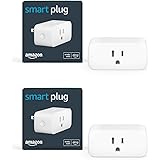
The Anker Smart Plug offers true “plug and play” convenience. You simply plug it into a wall socket. Then you connect your appliance to the Smart Plug. No tools or electricians are needed. It becomes operational in seconds. This makes it ideal for DIY enthusiasts.
You can use up to six Smart Plugs per Anker Solarbank system. This allows flexible monitoring. Each plug tracks a specific device’s energy use. It’s like adding an intelligent sensor to individual outlets.
Costs: Device Price Plus Installation
Investment in the Anker Smart Meter
The Anker Smart Meter itself costs 99 €. However, you must factor in installation. Electrician fees vary by region and complexity. Expect an additional 150 to 200 € for professional services. This brings the total cost to around 250-300 €. This is a higher upfront investment.
This cost reflects its comprehensive capabilities. It monitors your entire home’s power flow. It’s a foundational smart home component. The long-term savings often outweigh this initial expense.
Budget-Friendly Anker Smart Plugs
An Anker Smart Plug is much more affordable. A single plug costs 29 €. A set of six plugs is available for 99 €. There are no extra installation costs. You simply plug them in yourself. This makes them a cost-effective choice.
Their lower price point allows gradual expansion. You can start with one or two. Add more as your needs evolve. This flexible approach suits many budgets. It still delivers excellent energy insights.
Monitoring Scope and Power Limits
Anker Smart Meter: Your Home’s Energy Hub
The primary benefit of the Anker Smart Meter is its wide scope. It measures all electricity entering and leaving your home. This means it tracks every device. From your refrigerator to your lighting, nothing is missed. Its monitoring capability is essentially unlimited. It depends on the phase where it’s connected in the electrical panel.
It can handle high-power, multi-phase appliances. For example, your electric oven or instant water heater. These devices draw significant power. The Smart Meter provides a complete energy picture. It’s like having a bird’s-eye view of your entire home’s energy ecosystem.
Anker Smart Plug: Targeted Device Tracking
The Anker Smart Plug measures only the device plugged into it. Its maximum measurement capacity is 2500 watts per plug. This limit covers most common household appliances. Think of a washing machine, TV, or water kettle. It will effectively monitor these items.
However, it cannot track multi-phase devices. Heavy-duty appliances are outside its scope. It’s best for understanding specific consumption patterns. It acts like a spotlight on particular energy users. This helps identify energy hogs.
Connectivity Considerations for Reliable Tracking
WLAN Requirements: 2.4 GHz for Both
Both the Anker Smart Meter and Smart Plugs rely on 2.4 GHz WLAN. This frequency offers better range. The Smart Meter includes two antennas for flexibility. A short antenna suits panels inside your living space. An extender antenna helps if your panel is in a basement. This ensures a stable connection.
A weak signal can disrupt data flow. Consider your router’s location carefully. The Anker Solarbank also needs a good signal. All components must communicate reliably. This network forms the backbone of your energy system.
Network Best Practices
Ensure both devices are on the same network. Avoid using Wi-Fi repeaters if possible. Some repeaters can cause connectivity issues. They may assign incorrect network parameters. Position the devices close to your main router. Keep them near your Anker Solarbank. This guarantees optimal 2.4 GHz WLAN performance. A strong, consistent signal is key. It ensures accurate real-time data transmission.
Accuracy and Precision in Energy Management
Anker Smart Meter: High Precision Monitoring
The Anker Smart Meter boasts impressive accuracy. It detects power changes under 10 watts. This high precision is vital for fine-tuned energy management. It helps your Solarbank react quickly. It adjusts power delivery almost instantly. This minimizes any wasted solar generation. It ensures every watt counts. It’s like a finely tuned instrument for your home’s energy flow.
Anker Smart Plug: Practical for Most Needs
An Anker Smart Plug provides excellent accuracy for individual devices. For power below 100 watts, deviation is about 2 watts. Above 100 watts, it’s approximately 2% (up to 2500 watts). This level is very practical. It gives reliable insights into appliance consumption. You can still make smart energy decisions. It’s sufficiently precise for everyday tracking. It acts like a dependable household scale for power.
Both devices are remarkably fast. They capture consumption data in under 3 milliseconds. This real-time feedback is crucial. It ensures your Solarbank responds immediately. You avoid “donating” unused solar power back to the grid.
Beyond Tracking: Smart Features and Control
Shared Intelligence with Anker App
Both Anker Smart Meter and Smart Plugs integrate seamlessly. They use the intuitive Anker App. Setup is straightforward via Bluetooth. You can choose between two main operating modes. An intelligent function adapts to your consumption. Alternatively, you can set a fixed time schedule. This allows customized energy management. The app provides clear visuals of your energy use.
Unique Smart Plug Functionality: Remote Control
The Anker Smart Plug offers a unique feature: remote control. It functions as a smart outlet. You can switch devices on or off remotely. This can be done via the app or a set schedule. It helps eliminate standby power consumption. Think of turning off unused chargers. You can also control lamps or other electronics. This functionality is not available with the Smart Meter. The Smart Meter only monitors; it does not control. This remote control adds a layer of convenience and power-saving potential.
Compatibility: Exclusively for Anker Solarbank 2 Pro/Plus
A crucial point to remember is compatibility. Both the Anker Smart Meter and Smart Plugs work only with specific systems. They are designed for the Anker Solarbank 2 Pro or Plus. These devices are not compatible with the older Solarbank 1 model. Always check your Solarbank version before purchase. This ensures seamless integration and functionality. It avoids any disappointment.
Making Your Choice: Anker Smart Meter or Smart Plug?
The decision between an Anker Smart Meter and Smart Plug depends on your priorities. Do you want to monitor your entire home’s energy? Do you need to track high-power, multi-phase appliances? Then the Anker Smart Meter is your best choice. It offers comprehensive insights. It’s like having a master controller for your home’s energy. This comes with a professional installation.
Do you prefer to track specific devices? Do you want to control individual appliances remotely? The Anker Smart Plug is ideal then. It offers flexibility and ease of use. It’s perfect for common household electronics. This is a more budget-friendly approach. It’s like choosing a precision tool for specific tasks. Both devices help optimize your Anker Solarbank system. They lead you towards greater energy independence.
Powering Your Knowledge: Anker Smart Energy Q&A
What are the Anker Smart Meter and Smart Plug used for?
They are devices that help you track your home’s electricity usage when paired with an Anker Solarbank system. Their main goal is to help you use your solar energy more efficiently and save money.
What is the main difference between an Anker Smart Meter and an Anker Smart Plug?
The Anker Smart Meter monitors the electricity usage for your entire home by connecting to your main electrical panel. The Anker Smart Plug, however, tracks the energy consumption of a single appliance plugged into it.
How are the Anker Smart Meter and Smart Plug installed?
Installing an Anker Smart Meter requires a certified electrician as it integrates into your home’s main electrical panel. An Anker Smart Plug is ‘plug and play’; you simply plug it into a wall socket and then connect your appliance.
Are these devices compatible with all Anker Solarbank systems?
No, both the Anker Smart Meter and Smart Plugs are designed to work exclusively with the Anker Solarbank 2 Pro or Plus models. They are not compatible with the older Anker Solarbank 1 system.