In the rapidly evolving landscape of home technology, the transition from conventional appliances to smart devices is not just a luxury; it’s becoming a standard for convenience, safety, and efficiency. Yet, many homeowners grapple with the challenge of integrating existing ‘dumb’ devices into a cohesive smart home ecosystem. This often leaves them with a mix of modern and outdated tech, creating a disjointed experience.
However, the solution lies in the humble but powerful smart plug. As highlighted in the video above, Wi-Fi smart plugs are the unsung heroes of home automation, bridging the gap between yesterday’s appliances and tomorrow’s connected living. These versatile devices transform any standard outlet into an intelligent control point, accessible from anywhere via your smartphone or voice commands. But with a myriad of options flooding the market, selecting the ideal smart plug for your needs can feel like navigating a labyrinth.
The Transformative Power of Wi-Fi Smart Plugs
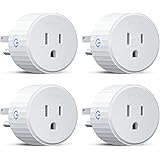
Wi-Fi smart plugs are not merely fancy adapters; they are the gateway to a more intelligent home. Think of them as the orchestrators of your electrical devices, granting you unprecedented control. By simply plugging them into an existing outlet and then plugging your appliance into the smart plug, you instantly imbue that device with smart capabilities.
Unlike traditional power strips or timers, these smart devices connect directly to your home Wi-Fi network. This connectivity unlocks a spectrum of features, from remote access to intricate scheduling and energy monitoring. The shift from manual operation to intelligent automation is profoundly impactful, fundamentally altering how we interact with our living spaces.
Beyond Remote Control: Advanced Automation with Smart Plugs
While the ability to turn devices on or off from across the room, or even across the globe, is undoubtedly compelling, Wi-Fi smart plugs offer far more sophisticated automation possibilities. Consider the convenience of personalized schedules: your coffee maker can begin brewing at 6:30 AM on weekdays, or your bedroom lamp can gently illuminate to ease you awake. This level of precision moves beyond simple remote operation.
Furthermore, many advanced smart plugs integrate with broader smart home ecosystems, allowing for complex routines. Imagine a “Good Morning” routine that simultaneously activates your smart lighting, starts your humidifier, and warms your towel rack—all with a single voice command or tap within an app. Conversely, a “Good Night” routine could power down all non-essential devices, ensuring both energy savings and peace of mind.
Enhanced Safety and Security Through Smart Plug Integration
A significant, often underestimated, benefit of Wi-Fi smart plugs is their contribution to home safety and security. For families with children, the ability to remotely power down potentially hazardous devices like curling irons or space heaters is invaluable, mitigating risks even when you’re not physically present. This is particularly crucial for devices that are often accidentally left on.
Moreover, smart plugs offer an ingenious layer of home security. The video alludes to features like “always lighting” or randomizing light schedules. This creates the illusion of occupancy, deterring potential intruders by making your home appear lived-in, even when you’re away on vacation. It’s akin to having a digital watchdog for your home’s electrical activity.
Unlocking Efficiency: Energy Monitoring with Smart Plugs
In an era where energy conservation is paramount, the energy monitoring capabilities of some Wi-Fi smart plugs are a game-changer. These features provide granular insights into how much electricity specific devices are consuming. Instead of merely guessing which appliances are draining power, you gain actionable data.
This insight empowers you to make informed decisions about usage patterns, identify energy hogs, and ultimately reduce your electricity bill. For instance, you might discover that your old gaming console or dormant TV is still drawing a significant “vampire load” even when off. Equipped with this knowledge, you can set schedules to completely power down these devices when not in use, translating into tangible savings and a reduced carbon footprint. It’s like having a personal energy auditor for every outlet.
Key Wi-Fi Smart Plugs for a Smarter 2024
The market for Wi-Fi smart plugs is robust, offering tailored solutions for diverse needs. The video highlights several top contenders, each with distinct advantages. Let’s delve deeper into what makes them stand out and how they fit into various smart home ecosystems.
TP-Link Kasa HS103: The Seamless Integrator
The TP-Link Kasa HS103 emerges as a prime example of user-friendly smart home integration. Its primary appeal lies in its reliable connectivity and the intuitive Kasa application. This app acts as a central command center, not just for the HS103, but for an entire suite of TP-Link Kasa smart home devices, providing a unified experience.
Imagine the scenario: you’ve left the house and suddenly doubt whether you turned off your hair straightener. Rather than a frantic return journey, a quick tap on the Kasa app confirms its status, allowing you to power it down remotely. This convenience is amplified by its compatibility with both Android and iOS, alongside robust voice control via Alexa, enabling hands-free operation. Assigning unique names to each plug allows for precise voice commands, transforming your home into a truly responsive environment.
Amazon Smart Plug: The Alexa Ecosystem Workhorse
For those deeply embedded in the Amazon Alexa ecosystem, the Amazon Smart Plug is an obvious and highly effective choice. Its strength lies in its seamless integration with Alexa-enabled devices, creating a cohesive and responsive smart home. Setting up routines through the Alexa app becomes incredibly straightforward, automating daily tasks from brewing coffee to controlling ambient lighting.
The “always lighting” feature, for example, is a clever security enhancement, mimicking occupancy by periodically switching lights on and off. This plug’s broad compatibility extends to Echo, Fire TV, Fire Tablet, Sonos One, and various other Alexa-enabled devices. Its ease of setup and the ability to manage multiple outlets with multiple plugs make it a powerful tool for extending smart control throughout your home.
Philips Hue Smart Plug: Compact Design, Budget-Friendly Entry
The Philips Hue Smart Plug represents an excellent entry point into smart home automation, especially for those mindful of budget without compromising essential features. Its notably compact design is a significant advantage; it fits discreetly into any outlet without obstructing adjacent sockets, a common frustration with bulkier plugs. This small form factor also makes it highly portable, a bonus for those who travel or frequently rearrange their living spaces.
While often associated with lighting, the Philips Hue ecosystem extends beyond bulbs. Pairing this smart plug with the Hue app allows you to connect and control a wide array of accessories, from lamps to kitchen appliances. Scheduling routines via the Hue app ensures your devices operate exactly as desired, even when you’re away. It’s a compelling option for those seeking a reliable and aesthetically pleasing smart plug without a premium price tag.
BN-LINK Heavy Duty Smart Plug: Prioritizing Robust Safety and Monitoring
Safety, particularly in homes with children, is a non-negotiable aspect of any electrical device. The BN-LINK Heavy Duty Smart Plug addresses this concern head-on with its emphasis on foolproof safety precautions. Built with a premium, fire-resistant shell and high-quality phosphor bronze pins, it offers a robust solution for more demanding appliances, ensuring maximum safety and durability. This plug is not merely smart; it is also physically resilient.
Beyond its physical safeguards, the BN-LINK plug integrates energy monitoring, a vital function for cost-conscious and environmentally aware users. The ability to track electricity usage provides a clear understanding of consumption patterns, allowing for adjustments that can lead to significant savings. Its broad compatibility with both Google Home Assistant and Amazon Alexa further enhances its versatility, making it a powerful all-in-one solution for households seeking both advanced control and unparalleled safety.
Wemo WiFi Smart Plug: The Overall Performer with Apple HomeKit
The Belkin Wemo Mini, often lauded as a top-tier smart plug, distinguishes itself with a sleek, compact design that effortlessly blends into modern smart homes. Its innovative form factor is particularly noteworthy, allowing users to stack two mini smart plugs in a single duplex outlet. This thoughtful design maximizes outlet utility, eliminating the frustration of blocked sockets and effectively doubling your smart control capacity.
Wemo’s broad compatibility is another significant draw, supporting Amazon Alexa, Google Assistant, and crucially, Apple HomeKit. For users within the Apple ecosystem, HomeKit integration means seamless control via Siri and the Home app, bringing lights and appliances under intuitive command. The Wemo mobile app provides comprehensive control over nearly all home appliances, ensuring your devices remain within reach regardless of your location within the house. Its scheduling and “away mode” features further enhance security and convenience, making the Belkin Wemo Mini an incredibly versatile and powerful choice for a comprehensive smart home setup.
Choosing the Optimal Wi-Fi Smart Plug for Your Ecosystem
Selecting the ideal Wi-Fi smart plug transcends simply picking a device from a list; it involves a strategic evaluation of your existing smart home ecosystem, specific needs, and future aspirations. Consider what voice assistant you primarily use—Alexa, Google Assistant, or Apple HomeKit. Opting for plugs that natively integrate with your preferred ecosystem ensures a more harmonious and responsive smart home experience, avoiding the fragmentation of multiple apps and interfaces.
Furthermore, assess the type of devices you intend to control. For high-power appliances like heaters or air conditioners, a heavy-duty smart plug with robust safety features and overload protection is not just recommended, but essential. Conversely, for smaller devices like lamps or fans, a compact and aesthetically pleasing plug might be more suitable, especially if outlet space is a premium. Energy monitoring, while not universal, offers invaluable insights for those focused on sustainability and cost savings, transforming guesswork into data-driven decisions. Ultimately, the best Wi-Fi smart plugs are those that seamlessly integrate into your life, enhancing convenience, bolstering safety, and promoting efficiency without undue complexity.
Plug Into The Answers: Your Wi-Fi Smart Plug Q&A
What is a Wi-Fi smart plug?
A Wi-Fi smart plug transforms any regular electrical outlet into a smart one, allowing you to control devices connected to it remotely. You simply plug the smart plug into your wall outlet, and then plug your appliance into the smart plug.
What are the main benefits of using Wi-Fi smart plugs?
Smart plugs offer convenience through remote control and scheduling, enhance home safety and security by remotely powering down devices, and can help save energy by monitoring electricity usage.
How do Wi-Fi smart plugs connect and work in my home?
Wi-Fi smart plugs connect directly to your home Wi-Fi network. This connectivity allows you to control the plugged-in appliance using an app on your smartphone or with voice commands.
Can smart plugs help improve my home’s safety?
Yes, smart plugs can enhance safety by allowing you to remotely power down potentially hazardous devices. They can also deter intruders by turning lights on and off to make your home appear occupied when you’re away.
Can I use smart plugs to save money on my electricity bill?
Yes, some Wi-Fi smart plugs include energy monitoring features that show you how much electricity your devices are using. This helps you identify energy-hungry appliances and set schedules to turn them off, reducing your overall electricity consumption.