Many people dream of a home straight out of a futuristic movie, complete with holographic displays and robots serving dinner. However, the reality of smart home technology, as highlighted in the accompanying video by MKBHD, often falls short of these grand visions. Rather than complex, bespoke systems, the truly useful smart home tech tends to be practical, reliable, and integrated seamlessly into daily life. The focus is often placed on simple conveniences and security enhancements that genuinely improve the living experience, proving that a smart home doesn’t need to be overly complicated or exorbitantly expensive to be effective.
Instead of aiming for an elaborate, fully automated mansion, the journey into smart home integration frequently begins with a few key devices that address specific needs. The philosophy shared in the video emphasizes starting with an achievable setup that prioritizes functionality and ease of use. This approach allows homeowners to gradually build a connected environment that caters to their lifestyle, avoiding the pitfalls of over-automation or incompatible gadgets. The true power of a smart home often lies in its ability to simplify routine tasks and provide peace of mind without constant manual intervention.
Building a Foundation: Choosing Your Smart Home Ecosystem
Before any smart device is purchased, a critical decision must be made regarding the core ecosystem that will govern the connected home. This choice typically involves selecting between major platforms such as Google Home, Apple HomeKit, or Amazon Alexa. Each platform offers its own strengths, interface, and device compatibility, making it a foundational element of the smart home setup. Compatibility becomes paramount, as sticking to a single ecosystem generally ensures smoother operation and a unified control experience across all devices. This centralized management simplifies the user experience significantly.
The decision to commit to a specific ecosystem is often influenced by the devices already in use, such as a primary smartphone or existing smart speakers. For many Android users, or those who frequently utilize Google Assistant, the Google Home ecosystem presents a natural and logical starting point. The integration of various smart devices under one umbrella, managed through a single app, streamlines daily interactions and automations. While the Google Home app has seen its share of evolution, especially with the integration of Nest products, its functionality continues to improve, aiming to bring all smart home controls into a single, user-friendly interface.
The Central Command: Google Nest Hub Max
At the heart of many Google-centric smart homes resides a device like the Google Nest Hub Max, acting as a command center for all connected gadgets. This smart display offers more than just voice assistant capabilities; it provides a visual interface for controlling lights, viewing security camera feeds, and even answering the smart doorbell. Its presence in a central location within the home ensures that vital smart home functions are always accessible, whether through touch or voice commands. The device’s reliability is often highlighted, proving it to be a consistent performer in a connected environment.
The Nest Hub Max streamlines interactions with the smart home, allowing for quick adjustments without needing to access a phone. For instance, a glance at the screen can confirm if the doors are locked or if the thermostat is set correctly. This centralized control reduces the friction associated with managing multiple smart devices, making the smart home feel genuinely intuitive rather than a collection of disparate gadgets. Its visual feedback complements voice commands, creating a more comprehensive and reassuring user experience for everyday tasks.
Essential Smart Home Devices for Comfort and Efficiency
Beyond the central hub, several other smart devices contribute significantly to comfort and energy efficiency within the home. These items are carefully selected for their ability to provide tangible benefits, from optimizing heating and cooling to enhancing ambient lighting. The integration of these components allows for a home that not only responds to commands but also proactively works to create a more comfortable and sustainable living space. Such devices are often chosen for their smart features and their potential to deliver long-term value to the household.
Smart Thermostats: Mastering Home Climate with Nest
Smart thermostats, particularly models like the Nest Thermostat, have become widely popular for their ability to intelligently manage home climate. These devices are designed to learn occupants’ daily habits and preferred temperature settings, automatically adjusting the heating and cooling systems to maximize comfort and minimize energy waste. Scheduling features allow for personalized climate control, ensuring the home is warm or cool at precisely the right times, for example, cooling down as one approaches home after work. This proactive management contributes to significant energy savings over time, which can even lead to lower utility bills.
Furthermore, innovative features such as Nest Renew are offered by some Nest thermostats, which consider the “cleanliness” of the power being drawn from the grid. This functionality helps optimize energy consumption by prioritizing cleaner power sources when available, particularly beneficial for homes with solar installations. By making conscious choices about energy usage, these smart thermostats move beyond simple temperature control to support broader environmental goals. The combination of habit learning, scheduling, and energy optimization makes a smart thermostat an indispensable tool for the modern, energy-conscious household.
Illuminating Your Space: Smart Lighting Solutions
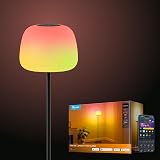
Smart lighting, exemplified by products like Philips Hue lamps, transforms how rooms are illuminated, moving beyond simple on/off switches. While these smart bulbs can be a pricier investment, their versatility and advanced features often justify the cost. They are not merely about changing colors; creative placement and configuration can drastically alter the mood and functionality of a space. For example, lights can be strategically pointed at walls to create indirect, softer illumination, effectively brightening a room without needing additional fixtures. This technique is particularly useful in spaces with limited natural light or insufficient built-in lighting.
The real power of smart lighting comes from its connectivity, allowing for remote control via an app from anywhere with an internet connection. This capability is useful for adjusting lighting while away from home, or for turning lights on before arrival. Advanced features, such as intricate scenes and dynamic effects like “candle” or “fireplace,” can instantly shift the ambiance of an entire room. Although these special effects may not be used daily, their availability adds an extra layer of customization. For ultimate convenience, integrating smart light switches is often considered a crucial next step, allowing for traditional wall switch operation while retaining smart functionality.
Enhancing Home Security with Connected Devices
Security is a paramount concern for many homeowners, and smart home technology offers several robust solutions to fortify properties. From monitoring entry points to providing comprehensive surveillance, connected security devices deliver peace of mind and enhanced protection. These devices are integrated to work seamlessly, providing alerts and visual verification, ensuring that the homeowner is always aware of what is happening around their property, whether they are home or away.
The Watchful Eye: Google Nest Doorbell Battery
A smart doorbell, such as the Google Nest Doorbell Battery, has become a fundamental component of modern home security. This device offers a high-quality camera with a wide-angle view, ensuring that everything from visitors to packages left on the porch is clearly visible. Alerts are sent directly to a smartphone or smart hub when motion is detected, or the doorbell is rung, providing instant notification. The two-way talk feature allows for direct communication with anyone at the door, even when the homeowner is not present, which is particularly useful for instructing delivery personnel or deterring potential intruders.
One of the more refined features includes the ability to define specific “smart zones” for motion detection. This capability allows users to designate areas within the camera’s view that should trigger notifications, effectively filtering out extraneous alerts from passing cars or neighborhood pets. While the battery-powered version offers flexibility in placement, battery life can be a consideration, with some users reporting approximately three weeks of use per charge, depending on activity and settings. Fortunately, recharging is typically simple via USB-C, or a hardwired version can be opted for to eliminate charging needs entirely.
Comprehensive Surveillance: Indoor and Outdoor Google Cameras
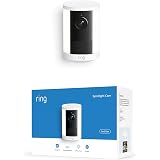
Extending security coverage beyond the doorbell, Google offers a range of indoor and outdoor cameras that integrate seamlessly with the Google Home ecosystem. These cameras provide high-quality video surveillance, acting as additional “eyes” around the property. Similar to the smart doorbell, they feature intelligent alerts that can differentiate between people, animals, and vehicles, reducing unnecessary notifications. The ability to recognize a set of familiar faces can further refine these alerts, ensuring that only unexpected visitors trigger a notification.
Like the doorbell, these cameras allow users to define custom smart zones, focusing surveillance on specific areas of interest. This ensures that notifications are relevant and actionable, avoiding constant alerts from less critical areas. Outdoor cameras often include floodlights, enhancing visibility at night and acting as a deterrent. The robust integration into the Google Home app means all camera feeds and settings are accessible from a single interface, offering a comprehensive view of home security from anywhere. These cameras provide crucial visual evidence and real-time monitoring, bolstering the overall security posture of any connected home.
Fortifying Entry Points: Smart Locks
For added peace of mind, a smart lock, like the Yale Smart Lock, provides an elevated level of control and security for entry points. This internet-connected passcode lock allows for keyless entry, which is convenient for family members and trusted visitors. However, its most significant advantage is the ability to monitor and control the lock remotely. From any location, a homeowner can verify if their door is locked and, if not, can secure it with a tap on their smartphone. This feature is particularly valuable for those moments of doubt after leaving the house, eliminating the need to return home just to check a lock.
The remote locking and unlocking capabilities also simplify granting access to others, such as a pet sitter or a repair person, without having to share physical keys. Specific access codes can be created and managed, with the ability to set schedules for when codes are active. This level of control greatly enhances the security and convenience of home access, providing both flexibility and reassurance that the home’s entry points are always under surveillance and control. A smart lock becomes an integral part of a comprehensive smart home security strategy.
Optimizing Your Connected Home’s Infrastructure
The seamless operation of any smart home relies heavily on a robust and consistent internet connection. Without a strong Wi-Fi signal permeating every corner of the house, even the most advanced smart devices can suffer from connectivity issues, leading to frustration and unreliable performance. Investing in high-quality network infrastructure is therefore as crucial as selecting the smart devices themselves. A stable and fast Wi-Fi network ensures that all connected devices communicate effectively and respond promptly to commands, whether they are initiating a routine or streaming live video feeds.
The Backbone of Connectivity: High-Performance Wi-Fi Mesh Systems
For homes with multiple rooms, varying construction materials, or simply a larger footprint, a standard Wi-Fi router often struggles to provide adequate coverage. This is where a Wi-Fi mesh system, such as those offered by Netgear, proves invaluable. Mesh systems consist of multiple units that work together to create a single, expansive Wi-Fi network, eliminating dead zones and ensuring consistent signal strength throughout the entire property. The installation of such a system can dramatically improve internet speeds and reliability, as experienced by users who have seen their average speeds literally triple across their homes. This significant improvement underpins the performance of all smart home devices.
While mesh system units might be larger and less aesthetically pleasing than typical routers, their performance benefits often outweigh any visual drawbacks, especially if they can be discreetly placed. The consistent, high-speed internet provided by a mesh system is fundamental for devices that rely on constant connectivity, such as security cameras, streaming speakers, and smart displays. It ensures that voice commands are processed quickly, video feeds are fluid, and automated routines execute without delay. For a truly responsive and reliable smart home, a robust Wi-Fi mesh system is not just an upgrade but a necessity.
Simple Smart Solutions for Everyday Convenience
Not every smart device needs to be a major investment or part of a complex system. Often, the most impactful smart home solutions are those that offer simple, cost-effective ways to add convenience and automation to everyday items. These smaller, yet powerful, gadgets demonstrate how smart technology can be integrated into the home incrementally, transforming ordinary appliances into connected devices. Such additions provide a low barrier to entry for those curious about smart homes, offering immediate benefits without extensive setup.
Transforming Regular Devices: The Smart Wi-Fi Plug
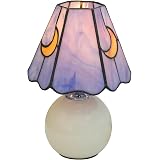
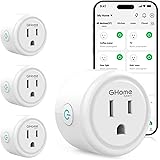
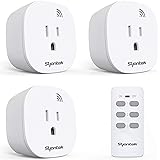
One of the simplest yet most versatile smart home devices is the smart Wi-Fi plug, exemplified by products like the Kasa Smart Wi-Fi Plug. This compact gadget effectively turns any ordinary electrical appliance into a smart device by allowing it to be controlled remotely via an app or voice commands. A regular lamp, for instance, can instantly become a smart lamp, controllable from a smartphone or integrated into automated routines. These plugs are incredibly affordable and easy to set up, usually requiring just a download of their dedicated app before integrating into a wider ecosystem like Google Home.
The applications for smart plugs are incredibly varied and practical. They can be used to automate seasonal decorations, such as turning a Christmas tree on and off at specific times throughout December. Similarly, they are perfect for controlling fans, humidifiers, or even coffee makers, ensuring appliances are active only when needed. This not only adds a layer of convenience but also contributes to energy efficiency by preventing devices from being left on unnecessarily. For those looking to dip their toes into smart home technology without a significant commitment, the smart Wi-Fi plug offers a perfect starting point.
Orchestrating Your Day: Google Home Routines
The true magic of a connected home is often realized through the creation of smart routines, which string together multiple tasks under a single command. In the Google ecosystem, these are simply called “Routines,” allowing users to automate a sequence of actions with a custom voice command or a scheduled time. These routines transform a collection of smart devices into a cohesive system that responds intelligently to daily needs. The “How’s my day?” routine is a prime example of this, offering a personalized morning briefing that minimizes reliance on a smartphone.
When the “How’s my day?” command is uttered, a series of automated actions is triggered: the current weather forecast is provided, the day’s calendar events are read aloud, the phone’s battery percentage is announced, news headlines are played, and traffic information for the commute is given. Simultaneously, smart shades upstairs are opened. This comprehensive morning briefing illustrates how routines can streamline the start of the day, allowing individuals to gather essential information and prepare without having to immediately reach for their phone. Such automation is not only convenient but also supports a more mindful morning routine, reducing digital distractions and encouraging engagement with the physical environment.
Immersive Audio Integration: Sonos Speakers
No modern home is complete without a high-quality audio system, and Sonos speakers, such as the Sonos Beam and Subwoofer, excel in delivering an immersive sound experience. These speakers are renowned for their exceptional sound quality, providing rich, clear audio that significantly enhances music listening, movie watching, and general ambiance within the home. Beyond their acoustic prowess, many Sonos products are designed to integrate seamlessly with leading smart home ecosystems, including Google Assistant. This compatibility allows for voice control over music playback, volume adjustments, and even the ability to incorporate the speakers into existing smart routines.
The ability to control these premium audio devices with simple voice commands adds a layer of convenience that elevates the listening experience. Whether it is asking for a specific song, adjusting the volume while cooking, or having the speakers announce information as part of a morning routine, the integration with Google Assistant makes these speakers highly versatile. For those who prioritize both superior sound and smart home functionality, Sonos speakers offer an excellent blend of performance and connectivity, making them a valued addition to any connected living space.
Your Smart Home: What *Really* Works? Q&A
What is a smart home actually like?
A smart home focuses on practical, reliable technology that seamlessly integrates into daily life, offering simple conveniences and security enhancements. It doesn’t need to be complex or expensive to be effective.
What is the first step to building a smart home?
The critical first step is choosing a core smart home ecosystem, such as Google Home, Apple HomeKit, or Amazon Alexa, to ensure device compatibility and a unified control experience.
What is a central command device in a smart home?
A central command device, like the Google Nest Hub Max, acts as a hub that provides a visual and voice interface to control lights, view cameras, and manage other connected gadgets.
How can I make my home more energy efficient with smart devices?
Smart thermostats, such as a Nest Thermostat, learn your habits to automatically adjust heating and cooling, maximizing comfort and minimizing energy waste.
What is a simple way to make regular appliances smart?
A smart Wi-Fi plug can transform any ordinary electrical appliance into a smart device, allowing it to be controlled remotely via an app or voice commands.