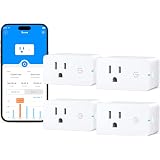
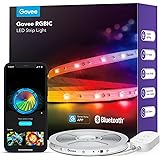
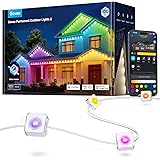
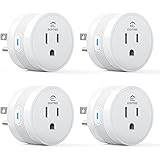
The landscape of modern living is being redefined by technological advancements, with significant growth projected across the smart home sector. Reports indicate the global smart home market size was valued at approximately USD 100 billion in 2023, with projections anticipating a rise to over USD 300 billion by 2032. This substantial expansion underscores a widespread embrace of integrated living solutions. The accompanying video visually showcases some of the cutting-edge smart home gadgets and appliances that are shaping this future, presenting a glimpse into how convenience, efficiency, and connectivity are increasingly being woven into the fabric of our daily lives. This article delves deeper into the transformative power of these innovations, exploring their functionality, impact, and the trends driving their evolution.
The Evolving Landscape of Smart Home Technology: A Deeper Dive into Connectivity
In recent years, the evolution of smart home technology has been nothing short of revolutionary. While initial iterations were often characterized by isolated devices, a profound shift towards cohesive, interconnected ecosystems is now being observed. This transformation is largely attributable to advancements in the Internet of Things (IoT) and artificial intelligence (AI), which allow devices to communicate, learn, and adapt autonomously. Imagine if your morning routine could be entirely automated: lights gently brightening as your smart coffee maker brews your favorite beverage, all while a personalized news briefing is played through your smart speaker. Such scenarios are no longer futuristic fantasies but tangible realities being experienced by many today.
However, the journey towards seamless integration has not been without its challenges. Interoperability between devices from different manufacturers has historically been a significant hurdle. Yet, a promising solution is being developed through the Matter standard, an industry-wide effort designed to create universal compatibility. This initiative is expected to simplify setup processes and enhance user experience, ensuring that smart home gadgets from various brands can effortlessly work together. This development is crucial for widespread adoption, as it removes a major barrier that has often deterred potential users from fully embracing smart living.
Driving Forces: IoT, AI, and the Matter Standard
The foundational principles of IoT enable everyday objects to connect to the internet, gathering and exchanging data. This capability is then augmented by AI, which allows these devices to process information, recognize patterns, and make intelligent decisions. For example, a smart thermostat powered by AI can learn your preferences and optimize energy consumption based on occupancy and external weather conditions, offering both comfort and energy savings. In contrast, older, non-smart thermostats merely maintained a set temperature, lacking the ability to adapt to dynamic environmental factors.
The Matter standard, on the other hand, is being positioned as a game-changer. It aims to unify diverse smart home devices under a single, open-source protocol. This means that whether a device is manufactured by Google, Apple, Amazon, or a smaller brand, it should be able to communicate effectively within the same smart home network. This level of standardization is expected to accelerate innovation and significantly reduce consumer frustration, making smart homes more accessible and intuitive for everyone. The complexities that once plagued setting up various smart home gadgets are now being systematically addressed.
Innovations in Smart Kitchen Appliances: A Culinary Revolution
The kitchen, often considered the heart of the home, is witnessing a significant transformation with the advent of smart appliances. These devices are designed not only to perform their primary functions but also to integrate with your lifestyle, offering unparalleled convenience and efficiency. Imagine a smart refrigerator that tracks its contents, suggests recipes based on available ingredients, and even orders groceries when supplies are low. This level of proactive assistance frees up valuable time and reduces food waste.
Other notable smart kitchen gadgets include ovens with built-in cameras that allow you to monitor cooking progress from your smartphone, and intelligent induction cooktops that automatically adjust heat settings for optimal results. Smart coffee makers can be programmed to brew your morning coffee precisely when your alarm goes off, ensuring a fresh start to your day without any manual effort. These innovations are not merely about automating tasks; they are about enhancing the overall culinary experience and making healthy eating more attainable.
Cooking Smarter, Not Harder: Key Smart Kitchen Gadgets
-
Smart Refrigerators: Equipped with internal cameras, touchscreens, and AI, these refrigerators manage inventory, track expiration dates, and provide meal planning suggestions. Groceries can even be ordered automatically when certain items run low.
-
Smart Ovens and Cooktops: Features often include remote preheating, precise temperature control, and integration with recipe apps. Some advanced models can identify the food being cooked and recommend appropriate settings.
-
Smart Coffee Makers and Blenders: These appliances can be programmed to operate on a schedule or activated remotely, ensuring your favorite beverages are ready exactly when you need them.
While the initial investment in these advanced smart home gadgets can be higher, the long-term benefits in terms of convenience and potential food savings are often cited as compelling justifications.
Enhanced Security and Surveillance Smart Home Gadgets
Home security has been profoundly reshaped by smart technology, offering homeowners peace of mind through sophisticated surveillance and access control systems. Traditional alarm systems, while effective, often lacked the granular control and remote accessibility that modern smart security gadgets provide. Today, security solutions are being designed to be proactive, intelligent, and fully integrated with other smart home elements. Consider a smart doorbell that not only allows you to see and speak to visitors from anywhere but also uses facial recognition to identify familiar faces, sending alerts only for unrecognized individuals.
Smart security cameras, a cornerstone of any modern smart home, now feature advanced capabilities such as AI-powered person detection, motion-triggered recording, and cloud storage. These features ensure that false alarms from pets or passing cars are minimized, and critical events are captured and securely stored. In contrast, older CCTV systems often required constant manual monitoring or produced irrelevant footage. Furthermore, smart locks allow for keyless entry, remote access granting, and logging of entry and exit times, providing a comprehensive overview of who comes and goes.
Protecting What Matters: Essential Smart Security Systems
-
Video Doorbells: Offering two-way audio, motion detection, and high-definition video, these devices act as a virtual doorman, enhancing both security and convenience.
-
Smart Security Cameras: Indoor and outdoor cameras with AI analytics provide intelligent monitoring, often integrating with home hubs for unified control.
-
Smart Locks: Keyless entry systems controlled via smartphone apps offer increased security and flexible access management, ideal for monitoring children’s arrivals or granting temporary access to service providers.
The ability to remotely monitor and control these smart home gadgets offers an unprecedented level of security, transforming traditional reactive measures into proactive, intelligent safeguards.
Intelligent Lighting and Climate Control Systems
Beyond security and the kitchen, the ambiance and comfort of a home are significantly enhanced by smart lighting and climate control systems. These innovations are not just about turning lights on and off or adjusting the temperature; they are about creating responsive, energy-efficient environments that adapt to your needs and preferences. While traditional systems offered basic functionality, today’s smart solutions provide personalized control and predictive capabilities.
Smart lighting systems, for instance, allow for dynamic color changes, dimming, and scheduling, transforming the mood of a room with a simple voice command or app tap. Imagine walking into your home and having the lights automatically adjust to your preferred brightness and color temperature, creating a welcoming atmosphere. This contrasts sharply with manual switches, which offer limited control. Similarly, smart thermostats learn your daily routines and adjust temperatures accordingly, often integrating with weather forecasts to pre-cool or pre-heat your home efficiently, thereby reducing energy consumption and utility bills.
Creating Comfort: Smart Lighting and Thermostat Solutions
-
Smart Bulbs and Switches: Offering customizable colors, dimming, and scheduling, these devices contribute significantly to energy savings and aesthetic appeal. They can also be integrated with motion sensors for automated illumination.
-
Smart Thermostats: These intelligent climate control systems learn household habits, optimize energy usage, and can be controlled remotely, ensuring comfort while minimizing environmental impact.
-
Automated Blinds and Shades: Integrating with climate control, these can adjust based on sunlight intensity to regulate indoor temperature and protect furniture from UV damage.
The integration of these various smart home gadgets allows for a harmonious system where lighting, heating, and cooling work in concert to maximize comfort and efficiency.
Beyond the Essentials: Unique Smart Home Gadgets for Modern Living
The spectrum of smart home innovation extends far beyond the commonly recognized categories, introducing unique gadgets that cater to a wide array of needs and desires. These less conventional smart home gadgets often surprise users with their ingenuity and capacity to simplify or enhance specific aspects of daily life. For instance, consider the evolution of home cleaning: manual vacuuming has been largely supplanted by robotic vacuum cleaners that autonomously navigate and clean your floors, often integrating with mapping technology to avoid obstacles and cover every inch efficiently.
Another area seeing significant development is personal wellness and entertainment. Smart mirrors can provide personalized fitness routines, display news headlines, or even analyze your skin for health insights. Home entertainment systems are also becoming increasingly integrated, allowing for seamless streaming, multi-room audio, and voice-controlled media management. These innovations collectively contribute to a more connected and enriched living experience, often addressing pain points that traditional appliances simply could not.
Diverse Innovations for a Connected Lifestyle
-
Smart Cleaning Devices: Robotic vacuums and mops, often equipped with advanced navigation and self-emptying capabilities, ensure homes are kept pristine with minimal human intervention.
-
Smart Health and Wellness Gadgets: From smart scales that track body composition to air purifiers that monitor air quality and adjust automatically, these devices support a healthier home environment.
-
Integrated Entertainment Systems: Voice-controlled smart TVs, soundbars, and streaming devices create immersive media experiences across different rooms, all managed from a central interface.
The expanding ecosystem of smart home gadgets continues to introduce novel ways in which technology can serve to simplify tasks, improve health, and enhance overall quality of life.
Overcoming Challenges and Looking Ahead: The Future of Smart Living
While the proliferation of smart home gadgets offers undeniable advantages, certain challenges are continually being addressed as the technology matures. Concerns surrounding data privacy and cybersecurity remain paramount. Solutions are being developed to bolster encryption and user control over personal data, with an emphasis on transparent privacy policies. Furthermore, the complexities of initial setup and integration are being simplified through standards like Matter, yet user-friendliness remains a key focus for manufacturers. Imagine a future where setting up a new smart device is as simple as plugging it in, with all configurations automatically handled. This is the ideal that is being strived for.
Looking ahead, the smart home is expected to become even more intelligent and predictive. AI integration will allow systems to anticipate needs rather than merely react to commands. Greater emphasis will be placed on energy independence and sustainability, with smart homes optimizing resource consumption and potentially integrating with renewable energy sources. The concept of the truly adaptive home, where every aspect from climate to lighting to entertainment seamlessly adjusts to individual preferences and external conditions, is rapidly approaching. The continuous innovation in smart home gadgets and systems promises an increasingly comfortable, efficient, and interconnected future.
Connecting Your Queries: Smart Home Gadget Q&A
What is a smart home?
A smart home uses technology to connect and control various devices and appliances in your living space. It aims to make your home more convenient, efficient, and comfortable through integrated solutions.
What roles do IoT and AI play in smart homes?
The Internet of Things (IoT) allows everyday objects to connect to the internet, gathering and exchanging data. Artificial Intelligence (AI) then helps these devices process information, recognize patterns, and make intelligent decisions autonomously.
What is the Matter standard for smart home devices?
The Matter standard is an industry-wide initiative designed to make smart home devices from different manufacturers universally compatible. This simplifies setup and ensures that various gadgets can work together effortlessly.
How do smart home gadgets enhance security?
Smart home gadgets enhance security through devices like video doorbells for remote monitoring, AI-powered cameras that detect people, and smart locks for keyless entry and flexible access management. They offer proactive and intelligent safeguards for your home.