Choosing the ideal home security system for your property involves many considerations. The video above offers a fantastic overview. It clarifies how these systems function. You also learn about key features to seek. Understanding the various costs is crucial. Finally, it helps you decide on the right system.
This guide expands on those insights. It delves deeper into system options. We will explore each aspect. This helps you make an informed choice. Your family and home deserve the best protection.
How Modern Home Security Systems Operate
At its core, a home security system relies on sensors. These devices detect specific events. They can sense open doors or windows. Motion within a room triggers them. Even glass breaking can be detected.
Environmental sensors are also common. These detect water leaks or smoke. All these smart devices communicate. They connect to a central base station or panel. This hub then links to your mobile app.
The app gives you full control. You can view all system elements. Control is available right from your phone. Modern systems are highly integrated. They form a comprehensive network.
Understanding Arming Modes
Security systems use arming modes. These modes define system behavior. There are typically three main settings. “Armed Away” protects your home when vacant. All sensors are active in this mode.
“Armed Stay” is for when you are home. Perimeter sensors remain active. Interior motion sensors might be off. This prevents false alarms. Finally, “Disarm” turns off the system. No alarms will sound in this mode.
If an armed sensor is triggered, a siren sounds. This loud alert deters intruders. It also notifies those nearby. Immediate attention is drawn to the event. This is the first line of defense.
Monitoring Your Home Security: Professional vs. Self
Who monitors your system is a vital decision. This determines action during an alarm. There are two primary options. You can choose self-monitoring. Or you can opt for professional monitoring.
Self-Monitoring Your System
With self-monitoring, you manage alerts. You arm and disarm the system. Sensors can still trigger an alarm. However, calling emergency services is your responsibility. This requires constant vigilance.
You must be available to respond. This can be challenging. Many people cannot self-monitor 24/7. It may offer cost savings. But it comes with significant personal responsibility.
The Benefits of Professional Monitoring
Professional monitoring offers peace of mind. Alerts go to a dedicated center. Real people review these alarms. They confirm emergencies quickly. This team determines needed services.
They can dispatch police, fire, or medical aid. This service is available 24/7. The center typically calls your phone first. They ask for a unique “safe word.” This confirms if it’s a false alarm.
If unanswered, or without the safe word, help is sent. This process ensures swift action. Professional monitoring adds a critical layer of security. It ensures someone is always watching. We strongly recommend this option. It provides reliable protection when you cannot.
Installation Choices: DIY vs. Professional Systems
How your system is set up matters. You can install it yourself. Or you can hire professionals. Both approaches have unique advantages. Most systems offer a choice.
DIY Home Security Systems
DIY systems are user-friendly. SimpliSafe is a top DIY brand. Installation is often simple. Devices often arrive pre-programmed. They sync easily with the base station.
Mobile apps guide you through placement. Many sensors use peel-and-stick adhesive. No drilling is typically required. Cove is another easy DIY option. You plug in the hub and panel. The panel then guides sensor setup.
These systems offer flexibility. Most DIY brands allow service cancellation anytime. This is ideal for renters. It suits those who might move. You can pause or resume monitoring easily. Equipment costs are often lower too.
Professionally Installed Systems
Professionally installed systems are convenient. ADT and Vivint are prominent names. These companies offer bespoke experiences. Reps help customize your system. They match it to your exact needs.
Technicians handle all installation. You avoid any heavy lifting. This ensures expert setup. You get exactly what you need. It is a truly hands-off experience.
However, professional systems have some specifics. Most require professional monitoring. Long-term contracts are typical. These can range from one to five years. This makes them better for homeowners. They suit those planning to stay long-term.
Key Features for Your Home Security System
Selecting the right features is crucial. Consider equipment quality first. Then, evaluate the user experience. Your chosen system should meet all needs.
Essential Security Equipment
Ensure the system offers all devices you need. Security cameras are a common choice. Many companies make their own cameras. SimpliSafe and Vivint do this. Other companies partner with brands.
ADT partners with Google Nest. Cove works with eufy Security. Research camera performance thoroughly. Read reviews and check video quality samples. This helps you compare options effectively. Choose devices that truly protect your home.
Understanding User Experience
The mobile app is central to user experience. Is it well-designed and intuitive? Does it perform as advertised? Consider the level of control you desire. Some apps are streamlined and simple. SimpliSafe offers a minimal, easy-to-use app.
Others provide extensive customization. The Arlo app, for instance, has many options. Neither approach is inherently better. It is about personal preference. Find an app that suits your interaction style.
Beyond apps, consider physical interfaces. Touchscreens offer a dedicated control center. ADT, Vivint, and Cove have excellent panels. These allow various actions directly. Keypads offer basic arming/disarming. SimpliSafe, Ring, and Arlo use keypads. These are other ways to interact. Choose what feels most natural.
How Much Do Home Security Systems Cost?
The cost of a home security system varies greatly. It depends on your specific needs. A small apartment might need a basic system. This could cost a few hundred dollars. Larger homes with more features require more investment. Expect to spend a couple of thousand dollars for full coverage.
There are three main cost categories. These include installation fees. Equipment costs are another factor. Finally, consider monthly monitoring charges.
Installation Fees
Installation costs are typically one-time. They mostly apply to professional systems. DIY users usually install systems themselves. Fees can range from zero to several hundred dollars. Promotions often waive these fees. Many companies offer free installation with a new purchase.
Equipment Costs
Equipment includes sensors, cameras, and devices. DIY systems are often more economical here. You can get comprehensive DIY systems for under $500. Brands like SimpliSafe and Cove offer great value. Their pricing is competitive.
Professional systems usually have higher equipment costs. This often reflects higher quality. Vivint’s panels and cameras are advanced. They blend technical sophistication with sleek design. A Vivint Core Home Security system starts at $599. A full system with all components can reach $1400. ADT offers comparable packages at similar prices.
Monthly Monitoring Fees
Monitoring costs are recurring. These cover 24/7 professional monitoring. They also include additional brand-specific features. Examples include cellular backup or cloud video history. Costs can vary widely. They might be as low as $10 per month. Some reach $60 or more. Most companies charge $30 to $40 monthly for top-tier service.
Remember, professional systems often require contracts. These are typically 1-5 years long. This makes them suitable for long-term homeowners. DIY systems generally bill month-to-month. You can cancel service anytime. Some brands offer annual discounts. This flexibility makes DIY systems great for renters.
Top Home Security System Recommendations
No single home security system fits everyone. Your home, family, and priorities are unique. We offer general recommendations here. These can help you find your best fit.
For Homeowners Desiring Professional Service
If you prefer expert handling, consider ADT or Vivint. These companies manage design and installation. They also provide ongoing support. ADT is a long-standing leader in security. Their track record is proven. ADT partners with Google Nest devices. Nest cameras are smart and reliable. This combination offers strong security and intelligence.
Vivint offers an impressive user experience. The app is intuitive and well-designed. Checking devices is simple. Vivint’s design is aesthetically pleasing. Their outdoor cameras feature Smart Deter technology. These cameras can whistle or flash red lights. This actively warns potential intruders. It highlights Vivint’s advanced features.
For DIY Enthusiasts and Renters
SimpliSafe is an excellent DIY, no-contract choice. Installation is famously easy. The app is straightforward and minimal. SimpliSafe also boasts advanced monitoring. Their 24/7 Live Guard Protection is notable. Agents can access camera feeds during alarms. They can engage with intruders in real-time.
Cove is another great no-contract DIY option. Setup is incredibly easy. Equipment and monitoring are affordable. A comprehensive system with cameras can be under $500. Monitoring costs around $30 per month. Cove features a unique touchscreen panel. This acts as a convenient command center. Cove now integrates with eufy Security cameras. This partnership addresses previous camera limitations. It makes Cove a robust all-around system.
Other Notable DIY Home Security Systems
Arlo is known for its security cameras. They recently released a minimal security system. It includes professional monitoring. Their multi-functional sensors detect eight different events. Arlo is new to professional monitoring. Their track record for non-camera security services is growing. Pricing is comparable to established DIY brands.
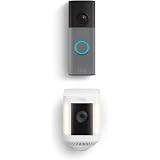
Ring is famous for video doorbells. They offer the Ring Alarm system. This is great for existing Ring users. The Ring app is popular. Professional monitoring is a great value. It was $20 a month at the video’s release. Equipment costs can add up. Look for Prime Day deals for savings. Ring has addressed past privacy concerns. However, features like Neighbors and Amazon Sidewalk are opt-in. Review these settings carefully.
Safeguarding Your Space: Your 2025 Home Security Questions Answered
How do modern home security systems work?
A home security system uses sensors to detect events like open doors or motion. These sensors communicate with a central base station, which then connects to your mobile app for control.
What are the main ways to monitor a home security system?
You can choose between self-monitoring, where you manage alerts yourself, or professional monitoring, where a dedicated center dispatches emergency services 24/7.
Can I install a home security system myself, or do I need a professional?
You have both options; DIY (Do-It-Yourself) systems are user-friendly for self-installation, while professionally installed systems have technicians handle the setup for you.
What are the typical arming modes for a security system?
Security systems usually have three main modes: ‘Armed Away’ for when you’re out, ‘Armed Stay’ for when you’re home, and ‘Disarm’ to turn the system off.