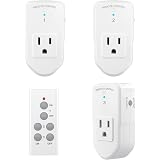
The world of smart home technology can seem daunting at first, but devices like smart plugs offer a simple, accessible entry point for anyone looking to make their home more connected, efficient, and convenient. If you’ve just watched the video above, you’ve already had a fantastic introduction to what smart plugs are and how useful they can be in various rooms of your house. This article expands on those insights, providing a deeper dive into how these unassuming gadgets can transform everyday appliances into intelligent devices, offering both significant savings and peace of mind.
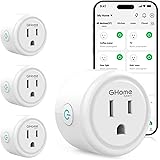
Fundamentally, a smart plug is an adapter that fits between your wall outlet and an appliance, allowing you to control the power supply to that appliance remotely. This means you can turn things on or off using a smartphone app, set schedules, or even integrate them with voice assistants like Siri or Alexa. They leverage your home’s Wi-Fi network, providing a gateway to home automation without needing to replace entire appliances.
Understanding the Power of Smart Plugs: Pros and Cons
As highlighted in the video, smart plugs offer a compelling blend of benefits that often outweigh their minor drawbacks. Over several months, many users discover how these devices seamlessly integrate into daily life, making tasks simpler and homes safer.
The Advantages: Convenience, Safety, and Savings
One of the most obvious advantages of smart plugs is the sheer convenience they offer. Imagine being able to turn on your coffee maker from your bed, or ensuring your home is well-humidified before you even step through the door. This remote control functionality, whether you’re across the room or across town, drastically simplifies routine tasks and provides unparalleled flexibility.
Safety is another critical benefit. Forgetting to turn off a hair straightener or a curling iron can be a constant source of anxiety. With a smart plug, you can check its status from your phone and power it off instantly, no matter where you are. This capability significantly reduces potential fire hazards and offers immense peace of mind. It’s a simple solution to a very common worry.
Perhaps one of the most underrated benefits is the potential for energy savings. Many household electronics continue to draw power even when turned off, a phenomenon known as “phantom power” or “vampire drain.” Devices like TVs, gaming consoles, and computer peripherals are prime culprits. By connecting these to smart plugs, you can completely cut off their power supply when not in use, eliminating phantom power waste and reducing your electricity bills. The video mentions that a large entertainment system can consume up to $100 worth of energy in phantom power over a year, and a smart plug costing around $50 could pay for itself in as little as six months through these savings.
Minor Considerations: When a Smart Plug Isn’t the Perfect Fit
While the benefits are clear, it’s also worth noting where smart plugs might not be ideal. The video jokingly mentions a “con” of less exercise due to not having to walk to turn things on. While humorous, it underscores how deeply smart plugs can automate simple tasks. More practically, not every appliance is a good candidate. For instance, a toaster oven, which requires manual settings and supervision, wouldn’t benefit from a smart plug. Similarly, appliances that need to be “on” all the time, like refrigerators, are obviously not suitable.
Another point to consider is the initial cost. Smart plugs typically range from $40 to $60. While this might seem like an upfront investment, especially if you plan to purchase several, the energy savings and added convenience often justify the expenditure in a relatively short period, as demonstrated by the six-month payback example.
Smart Plugs in Every Room: Practical Applications
Smart plugs excel at making specific areas of your home more efficient and responsive. Let’s explore how they can be strategically deployed throughout your living space.
Enhancing Your Living Room Experience
The living room, often the hub of entertainment, is a prime location for smart plug integration. While lamps are an easy target, consider using smart bulbs for more nuanced control over lighting ambiance and color. However, for an entire entertainment system—including TVs, soundbars, gaming consoles, and media players—a smart plug is invaluable. Connecting these devices to a single smart plug allows you to cut power to all of them with a single command, effectively eliminating phantom power drain. You can schedule them to turn off late at night or when you leave the house, saving energy effortlessly.
During the festive season, smart plugs are perfect for holiday lighting. Imagine scheduling your Christmas tree lights to turn on and off automatically, or controlling outdoor decorations without braving the cold. This simple automation adds joy without the hassle of manual operation.
Bedroom and Bathroom: Comfort and Safety First
In the bedroom, smart plugs can manage seasonal appliances like humidifiers, dehumidifiers, or fans. You can schedule them to operate only when needed or activate them remotely for optimal comfort. Waking up to a perfectly humidified room or a cool breeze significantly enhances your daily routine.
However, the most impactful use of smart plugs in these areas is undoubtedly for safety. Heat-generating appliances like hair curlers, straighteners, and even electric blankets can pose fire risks if left unattended. With a smart plug, you can always verify that these devices are off, even after you’ve left the house. This capability is a game-changer for reducing anxiety and ensuring home safety.
Boosting Productivity and Health in the Office
Your home office can also benefit immensely from smart plugs. Similar to the living room, you can connect monitors, external hard drives, and other peripherals to smart plugs to combat phantom power. Setting schedules to power down these devices overnight or when you’re away ensures you’re not wasting electricity.
Geo-fencing, a feature allowing devices to react to your physical location, is particularly useful here. Your office devices could automatically power on as you approach your home and switch off as you leave. For seasonal needs, such as a humidifier in a dry winter or a fan in a stuffy summer, smart plugs offer convenient remote control or scheduling. The video also shared a fascinating example of using an Eve room sensor to detect volatile organic compounds (VOCs) from a printer, demonstrating how a smart plug could address air quality by remotely powering down the printer when not in active use, avoiding physical acrobatics to reach its power switch.
Smart Plugs in the Kitchen: Proceed with Caution
The kitchen is arguably the trickiest room for smart plugs due to the nature of appliances and safety considerations. The video rightly points out that this area has the most limitations. Appliances that involve heat or food preparation, like slow cookers, require careful thought. While you could use a smart plug to turn off a slow cooker after its cooking cycle to prevent food from becoming overdone or rubbery, initiating cooking remotely with raw ingredients could pose health risks if the food sits at room temperature for too long.
However, specific, well-considered applications exist. For instance, connecting an electric kettle to a smart plug could allow you to pre-heat water for your morning tea or coffee from another room, ensuring it’s ready the moment you step into the kitchen. The key here is to prioritize safety and avoid automating anything that could lead to spoilage or fire hazards.
Plugging In for Clarity: Your Smart Plug Q&A
What is a smart plug?
A smart plug is a device you plug into a wall outlet, which then allows you to remotely control power to an appliance connected to it using your phone or voice assistant. It connects to your home’s Wi-Fi to make regular devices “smart.”
What are the main advantages of using smart plugs?
Smart plugs offer convenience through remote control, enhance safety by letting you turn off forgotten appliances, and help save money by eliminating wasted “phantom power.”
Can smart plugs really save me money on my electricity bill?
Yes, many electronics use “phantom power” even when turned off. By connecting these devices to smart plugs, you can completely cut their power supply when not in use, which reduces energy waste and lowers your bills.
What are some examples of things I can use a smart plug for?
You can use smart plugs for lamps, holiday lights, entertainment systems, fans, humidifiers, or even hair straighteners for safety. They are best for appliances that you want to turn completely on or off remotely.