Seamless Control: Universal Remotes and Smart Switches
Achieving effortless control over a diverse array of home entertainment and lighting systems often feels like a conductor managing an orchestra. One pivotal piece of smart home technology that simplifies this complex task is the smart universal remote. These sophisticated devices are engineered to consolidate the command of multiple components—such as amplifiers, gaming consoles, streaming boxes, and projectors—into a single, intuitive interface. Beyond mere consolidation, these remotes frequently offer advanced integration capabilities, allowing users to link button presses to broader home automation systems like Home Assistant. This means a single tap can initiate a complex sequence, perhaps dimming lights, lowering a screen, and powering on an entire home theater setup. Another area where intelligent control makes a significant difference is lighting. Many homes utilize smart bulbs for their versatility in color and brightness, yet family members may still prefer the tactile simplicity of a traditional switch. This common preference is elegantly addressed by smart light switches that leverage protocols like Zigbee. Even if one’s smart lights are not from the same brand as the switch, a Zigbee-enabled switch, when paired with a compatible hub like a Home Assistant instance equipped with a Zigbee USB stick, can effortlessly command any smart lights within the network. These switches are typically wireless and feature magnetic mounting, providing the flexibility to place them virtually anywhere, thus bridging the gap between advanced automation and user-friendly accessibility, much like having a traditional switch with a hidden digital brain.Intelligent Monitoring: From Plants to Air Quality
For those who have struggled to keep houseplants thriving, feeling like a “plant serial killer,” modern smart home devices offer a lifeline. A dedicated plant sensor represents a significant leap forward in horticultural care, acting as a vigilant digital guardian for one’s green companions. These compact gadgets are packed with an array of sensors, meticulously tracking crucial environmental factors such as humidity, temperature, light exposure, UV levels, and, most critically, soil moisture. The data collected is often instantly updated and can be fed into home automation platforms, allowing for custom alerts or even automated lighting changes—like an RGB light on the sensor itself turning blue to signal a watering need—ensuring plants receive precisely what they require to flourish. Extending beyond the botanical realm, intelligent monitoring also encompasses the air within one’s living spaces. While external air quality receives considerable attention, the indoor environment can sometimes be overlooked, despite its profound impact on well-being. High levels of carbon dioxide (CO2), for instance, are known to induce mental fogginess and reduce cognitive speed. An advanced air quality sensor, specifically designed to detect CO2 levels, becomes an invaluable asset in such scenarios. Devices utilizing E-Ink displays for exceptional battery longevity—sometimes lasting up to four years on a single charge—offer continuous, easy-to-read feedback. Furthermore, seamless integration with home automation systems via Bluetooth allows for proactive measures, such as triggering ventilation systems when CO2 concentrations rise, much like a silent, invisible sentinel ensuring optimal breathing conditions.Enhanced Security and Access: Smart Locks and Fire Detection
Modern home security has progressed significantly beyond conventional alarm systems, embracing intelligent solutions that offer proactive protection and convenient access control. A noteworthy innovation in this domain is the smart door lock, which integrates multiple layers of security and accessibility. High-quality smart locks often feature robust construction alongside advanced functionalities such as fingerprint sensors, hidden keyholes for traditional access, and versatile keypads. The integration with smart home ecosystems like Home Assistant, especially through protocols like Matter, allows for sophisticated automations, enabling doors to be locked or unlocked remotely, or even based on presence detection, ensuring a secure perimeter is always maintained without constant manual intervention. Pushing the boundaries of secure access further are premium smart locks that incorporate cutting-edge biometric technologies, such as facial recognition. Imagine a lock that can scan one’s face to grant entry, combining unparalleled convenience with enhanced security. These state-of-the-art devices also frequently include alternative unlock methods like Apple Home Key support, fingerprint scanning, and keypad entry, providing a suite of options for seamless access. Such locks are typically designed for responsiveness and quiet operation, often powered by rechargeable batteries with spares for continuous function. Even without direct Home Assistant integration, solutions like Homebridge can bridge the gap, allowing users to monitor lock status and ensure home security is managed intelligently. Another critical advancement in home safety is the rapid fire detection sensor. Traditional smoke detectors are essential, but these newer devices are engineered to spot the genesis of a fire with remarkable speed, often identifying flames within a mere two seconds from distances up to 20 feet. This proactive capability is crucial for areas where fires should never occur, such as garages or studios. Operating via Wi-Fi and boasting impressive battery life, these flame detection systems act as an early warning system, sounding an immediate alarm and announcing the detection of a flame. While not all such devices currently integrate directly with all smart home platforms, their core function of providing swift alerts offers a significant boost to a home’s overall safety posture, like an eagle-eyed guardian ever watchful against danger.Automating the Outdoors: Lighting, Sprinklers, and Entertainment
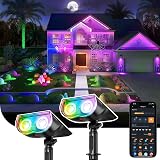
The intelligent home extends its capabilities far beyond indoor walls, transforming outdoor spaces into equally smart and responsive environments. One area where this transformation is particularly impactful is outdoor lighting. Wi-Fi-enabled outdoor lights, especially those designed for mounting near rooftops, deliver both high brightness—often exceeding 1,700 lumens—and a spectrum of warm, cool white, and RGB color options. These lights can be integrated with various smart home platforms, facilitating sophisticated automations. For instance, combining them with camera detection means lights activate only when a person is detected and the sun has set, preventing false alerts from wildlife while simultaneously enhancing security and convenience by ensuring lights are always on when needed and off when not. For homeowners with gardens or landscaping, a smart sprinkler controller serves as a vital tool for both convenience and plant health. Beyond the obvious benefit of remote control via a smartphone, these systems often incorporate advanced diagnostics that can prevent plant fatalities. A smart controller might, for example, alert a homeowner to a faulty solenoid, a common issue that could silently prevent an irrigation zone from watering, leading to dehydrated plants. Such a proactive notification system, much like a dedicated plant doctor, ensures that any issues with the irrigation system are identified and rectified promptly, safeguarding one’s green investments and optimizing water usage. Even outdoor entertainment has received a smart upgrade. Imagine having a weatherproof Wi-Fi speaker that can be left outdoors year-round, delivering robust audio for any occasion. These durable speakers are designed to withstand the elements while offering ample volume and compatibility with both iOS and Android devices. Whether one is hosting a backyard gathering or simply enjoying a quiet evening, having a dedicated outdoor speaker ensures that music or podcasts are always within reach, seamlessly integrating with the broader smart home ecosystem to bring entertainment to the open air. The ease of access and robust performance make these speakers a compelling addition to any intelligent outdoor setup, turning a backyard into an open-air concert hall or a serene listening lounge.Everyday Enhancements: Robot Vacuums, Power Strips, and Unique Sensors
The modern smart home is increasingly about making mundane tasks effortless, allowing residents to reclaim valuable time. A prime example of this efficiency is the robot vacuum. These autonomous cleaning machines have evolved significantly, now boasting advanced features like self-washing mops, automatic detergent dispensing, powerful suction—often reaching 10,000 pascals—and intelligent object avoidance. Many high-end models excel at thorough cleaning, even reaching into corners with extendable brushes and mopping capabilities, while seamlessly navigating different floor types by lifting brushes and mops as needed. Integrating these robotic cleaners with a smart home system means floors can be kept immaculately clean without a second thought, functioning much like an ever-vigilant cleaning sentinel. Smart power strips also play a crucial role in automating less obvious aspects of a home. These devices, equipped with multiple individually controllable outlets, allow for the automation of “dumb” appliances. For instance, a smart power strip in a garage can control overhead lights or even a parking laser, ensuring that lights turn on and off based on presence or that a laser guides a car into position and then powers down to prevent glare. At a desk, such a strip can control speakers, allowing them to be powered on or off from a central smart home dashboard. These Wi-Fi-enabled strips are typically reliable and integrate smoothly with automation platforms, offering a straightforward way to add intelligence to existing non-smart devices. Innovation in smart home technology also extends to novel interaction methods, such as pressure sensor mats. These unobtrusive devices, designed to detect pressure when someone steps or sits on them, unlock a new realm of automation possibilities. Their adjustable sensitivity allows for versatile placement—underneath couch cushions, mattresses, or kitchen mats—to trigger specific actions. Imagine lights turning on when someone stands at the kitchen sink or a notification being sent when a child gets out of bed. These discreet sensors provide incredibly accurate and fast detection, allowing for responsive automations that enhance convenience and awareness in previously unimaginable ways, much like adding an extra sense of touch to the home’s automated brain.Got Smart Home Device Questions? We’ve Got Answers!
What is smart home technology?
Smart home technology helps you interact with your living space in new ways, often through voice commands or automations. It enhances daily life by making things more convenient, secure, and efficient.
How can smart universal remotes and light switches simplify control in my home?
Smart universal remotes combine control of many entertainment devices like TVs and streaming boxes into one simple interface. Smart light switches allow you to easily control your smart lights, often wirelessly, bridging the gap between advanced automation and user-friendly access.
Can smart home devices help me monitor things like my plants or indoor air quality?
Yes, plant sensors track crucial factors like soil moisture and light, helping your plants thrive by alerting you when they need care. Advanced air quality sensors can detect CO2 levels to ensure a healthy indoor environment, even triggering ventilation systems when needed.
How do smart locks improve home security and access?
Smart locks enhance security with features like fingerprint sensors, keypads, and even facial recognition for secure and convenient entry. They can also integrate with smart home systems, allowing you to lock or unlock doors remotely or based on presence.