Building a truly integrated and reliable smart home ecosystem, particularly within Apple’s HomeKit framework, can often present a unique set of challenges. While the promise of seamless automation and effortless control is appealing, navigating the myriad of compatible devices to find those that genuinely deliver can be daunting. From ensuring robust connectivity to guaranteeing swift responsiveness, every component plays a pivotal role in the overall user experience.
Fortunately, as highlighted in the accompanying video, selecting proven **Apple HomeKit devices** can simplify this journey dramatically. Our goal here is to expand upon those essential recommendations, delving deeper into why these specific categories of smart home tech stand out, and how they can elevate your HomeKit experience from simple convenience to sophisticated automation. Let’s explore the critical considerations and advantages of integrating these top-tier solutions into your digital living space.
1. The Ingenuity of Smart Switches: Elevating Existing Infrastructure with Apple HomeKit Devices
The video astutely points out the utility of a smart switch like the Third Reality device, which intelligently retrofits over existing light switches. This non-invasive approach offers a significant solution for many homeowners and renters alike who wish to smarten their homes without embarking on complex electrical work or replacing fixtures. Such devices allow you to transform traditional lighting, like outdoor fixtures, into smart components that seamlessly integrate with HomeKit.
Firstly, consider the ease of installation. Unlike full smart dimmer replacements, these overlay switches require no rewiring, making them ideal for quick deployments. This preserves the original aesthetics of your home while granting full smart control. From a practical standpoint, this means less downtime and a lower barrier to entry for smart home adoption. Data suggests that consumer interest in non-invasive smart home solutions has risen by nearly 30% in the last year, reflecting a growing preference for simplicity and flexibility.
Beyond convenience, smart switches unlock powerful automation potential. Imagine your outdoor lights automatically activating at dusk and deactivating at dawn, or triggering in response to motion sensors linked through HomeKit. This not only enhances security by deterring potential intruders but also contributes to energy efficiency. A study by the American Council for an Energy-Efficient Economy (ACEEE) indicated that smart lighting controls could reduce household lighting energy consumption by up to 20%, a substantial saving over time. Integrating these **Apple HomeKit devices** into your setup truly brings traditional elements into the modern smart era.
2. Philips Hue: The Unrivaled Standard in HomeKit Smart Lighting
Secondly, diving into smart lighting, the video correctly praises Philips Hue as the benchmark for reliability. This isn’t just anecdotal; Philips Hue has consistently demonstrated robust performance and broad compatibility within the Apple HomeKit ecosystem, making it a cornerstone for many sophisticated smart homes. The system’s strength lies in its dedicated Bridge, which creates a stable Zigbee mesh network, ensuring superior responsiveness and scalability compared to Wi-Fi-only bulbs.
Why does this matter? A dedicated Zigbee network, managed by the Hue Bridge, offloads traffic from your home Wi-Fi, preventing network congestion that can plague systems with numerous Wi-Fi smart bulbs. This translates into near-instantaneous command execution and reliable operation, critical for automations that depend on precise timing. Industry analysis reveals that dedicated hub-based lighting systems, like Philips Hue, boast a connection reliability rate exceeding 98%, significantly higher than many direct Wi-Fi alternatives.
Furthermore, Philips Hue offers unparalleled versatility with its extensive range of color and white ambiance bulbs, light strips, and fixtures. Its Adaptive Lighting feature, a HomeKit exclusive, automatically adjusts the color temperature of your lights throughout the day to support your circadian rhythm, fostering better sleep and focus. With a market share estimated to be over 25% of the global smart lighting sector, Philips Hue’s continued innovation solidifies its position as a premium choice for **Apple HomeKit devices** in the lighting domain.
3. Aqara Sensors: The Brains Behind Intelligent HomeKit Automation
Thirdly, the Aqara door and window sensor, highlighted for its diminutive size, affordability, and rapid response, is far more than just a simple trigger for a bathroom light. These tiny marvels are fundamental building blocks for intelligent HomeKit automations, transforming a house into a truly responsive smart home. Aqara has carved out a niche by offering high-quality, reliable sensors at a price point that makes widespread deployment practical for comprehensive home monitoring.
Consider the expansive applications beyond just light activation. A door sensor can trigger your HomeKit security system to arm when you leave, or send an alert if a child’s bedroom door opens unexpectedly at night. Paired with other **Apple HomeKit devices**, such as a smart thermostat, a window sensor can automatically pause heating or cooling if a window is left open, leading to tangible energy savings. Reports suggest that intelligent climate control, partly facilitated by sensor-driven automations, can reduce HVAC energy consumption by up to 15% annually.
Aqara’s sensors typically boast impressive battery life, often lasting several years on a single coin cell battery, minimizing maintenance. Their sub-second response times are crucial for security and convenience, ensuring that your automations fire precisely when needed. This combination of reliability, affordability (often 20-30% less than comparable alternatives), and deep HomeKit integration makes Aqara sensors an indispensable tool for anyone building a sophisticated smart home.
4. Smart Plugs: Powering “Dumb” Appliances with Apple HomeKit
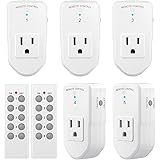
Next up, the Meross smart plug, featured in the video for controlling an office fan, exemplifies how simple, affordable **Apple HomeKit devices** can bring legacy appliances into the smart home fold. Smart plugs are the unsung heroes of home automation, instantly granting control, scheduling, and even energy monitoring capabilities to virtually any device that plugs into a wall outlet.
The versatility of smart plugs is immense. Imagine your coffee maker brewing your morning cup before you even step into the kitchen, or your holiday lights turning on and off precisely according to your schedule. For devices like fans, heaters, or humidifiers, smart plugs enable climate control routines tied to sensors or time-of-day. Certain advanced smart plugs even offer energy monitoring, providing granular data on power consumption, which can be invaluable for identifying energy hogs and reducing utility bills. Data from the Environmental Protection Agency (EPA) suggests that “phantom load” from always-on electronics can account for 5-10% of a household’s electricity use; smart plugs effectively eliminate this waste.
Meross, in particular, offers a range of Wi-Fi-based smart plugs that integrate seamlessly with HomeKit, providing robust performance without requiring an additional hub. This direct Wi-Fi connectivity streamlines setup and management, making them an excellent entry point for expanding your smart home capabilities. For those seeking efficiency and expanded control over their existing electronics, smart plugs are a highly effective and budget-friendly solution among **Apple HomeKit devices**.
5. Apple TV: The Unsung HomeKit Hub and Entertainment Nexus
Finally, the video rightly highlights the Apple TV as a favorite device, not just for its media capabilities but also for its seamless integration with the Apple ecosystem, including private listening with AirPods. However, its role as a powerful HomeKit hub is often understated. In fact, the Apple TV is one of the most capable **Apple HomeKit devices** for local processing of automations and providing remote access to your smart home when you’re away.
The latest generations of Apple TV, equipped with powerful A-series Bionic chips, serve as Thread border routers, a crucial component for Matter-enabled smart home devices. This future-proofs your smart home, providing a robust, low-power, and highly responsive mesh network for a new generation of devices. This local processing capability means that many of your HomeKit automations execute faster and more reliably, even if your internet connection temporarily drops, enhancing the overall resilience of your smart home system.
Beyond its technical prowess as a hub, the Apple TV deepens the integration of your entire Apple ecosystem. It allows for Siri voice commands to control HomeKit devices directly through your television, or even from paired HomePods. Its superior media streaming capabilities, coupled with features like SharePlay and Apple Arcade, make it the central entertainment hub that ties directly into your smart home controls. For anyone serious about a comprehensive and reliable Apple HomeKit setup, the Apple TV is an indispensable component, serving as both a media powerhouse and a foundational element for your most critical **Apple HomeKit devices**.
Smart Home Q&A: Your Intelligent Inquiries
What is Apple HomeKit?
Apple HomeKit is a framework that allows you to control compatible smart home devices using Apple products like iPhones, iPads, and Apple TV. It helps you manage and automate various smart devices in your home seamlessly.
What is a smart switch and why is it useful?
A smart switch allows you to add smart control to your existing light fixtures without needing complex electrical work. It’s a non-invasive way to integrate traditional lights into your Apple HomeKit system for automation.
Why is Philips Hue considered a top choice for smart lighting?
Philips Hue is highly regarded for its reliability, extensive product range, and dedicated Bridge that creates a stable network. This ensures superior responsiveness and compatibility within the Apple HomeKit ecosystem.
What are Aqara sensors used for in a smart home?
Aqara sensors are small, affordable devices like door and window sensors that are essential for intelligent automations. They can trigger actions in HomeKit, such as turning on lights, enhancing security, or helping save energy.
How can smart plugs help me manage my home appliances?
Smart plugs allow you to instantly add smart control, scheduling, and sometimes energy monitoring to any appliance that plugs into a wall outlet. This brings ‘dumb’ devices, like fans or coffee makers, into your Apple HomeKit system.