Revolutionizing Your Set: Modern DIY Cinematography with Smart Lights
For years, budget filmmaking often meant creative limitations when it came to lighting. Filmmakers relied on standard household bulbs, painted surfaces, or cumbersome gels to achieve specific looks. However, as the accompanying video brilliantly demonstrates, the landscape of independent production is undergoing a significant transformation. The advent of affordable, app-connected smart lights has ushered in a new era for DIY cinematography with smart lights, empowering creators to achieve cinematic results with unprecedented ease and flexibility.
Gone are the days of needing separate dimmers or a vast array of colored gels. Today’s smart lighting systems offer full dimmability and a virtually limitless color palette, all controllable from the palm of your hand. This integration of smart home technology into film production not only streamlines the lighting process but also unlocks creative possibilities previously reserved for larger, more expensive setups.
The Evolution of Budget Lighting for Filmmakers
Historically, the pursuit of unique lighting effects on a shoestring budget was a testament to a filmmaker’s ingenuity. Methods like painting bulbs for color or constructing rudimentary light bars were common, as shown by the video’s decade-old DIY light bar built in 2014. These approaches, while effective, were often static and time-consuming, lacking the dynamic control essential for professional-grade cinematography.
The core challenge was often the lack of granular control over color temperature, intensity, and hue. Achieving precise Kelvin temperatures or subtle color gradients required specialized, often expensive, equipment. Modern smart lights, particularly those like the Govee systems featured, bypass these limitations entirely. Their ability to deliver 16 million colors and smooth gradients, coupled with instant app-based adjustments, fundamentally changes how budget-conscious filmmakers can approach their craft.
Building the Scene: Environmental Lighting with Smart Tech
A crucial first step in any cinematic endeavor is establishing the environment. Rather than solely focusing on subject lighting, smart lights allow filmmakers to “paint” the entire scene, creating a foundational ambiance that traditional fixtures struggle to match. The video showcases this by leveraging Govee Permanent Outdoor Lights Prism around the house, which feature three independently controlled color zones per head.
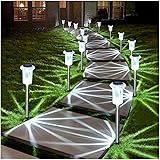
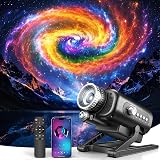
These lights are not just decorative; they serve as powerful environmental tools. Their robust design, capable of withstanding extreme temperatures and heavy rain, makes them ideal for both exterior and creative interior use. For instance, mounting them on the second floor can provide strategic light casts into windows, creating nuanced color effects or straightforward illumination that would otherwise be difficult to achieve. Complementing these are versatile elements like Govee floodlight bulbs, yard spotlights for accentuating architectural features or backlighting trees, and even decorative projector lights that can project thematic images, adding an instant layer of atmosphere for specific genres like horror.
Shaping Subjects with DIY Smart Fixtures
Once the environmental stage is set, smart lights prove equally adept at sculpting your subjects. The video demonstrates the transformation of existing DIY gear, such as an old light bar and clamp lights, by simply adding Govee smart bulbs. This budget-friendly approach creates a versatile DIY light kit for approximately $150, offering a significant return on investment.
Consider the precise control available: eight Govee bulbs in a light bar can be individually controlled or grouped, offering infinite adjustments in color and dimming. For a street light effect, the video sets all eight bulbs to 2800 Kelvin and dims them. A single clamp light can then be configured for a cold moonlight look using a Cyan preset, creating immediate contrast and depth. The ability to control intensity and color without physical dimmers or gels is particularly advantageous when lights need to be hidden in tight spaces or used as practical elements within the shot itself. This level of dynamic control, even with an initial investment of under $300 for a comprehensive DIY setup including a light strip, provides unmatched flexibility for filmmakers.
Advanced Control and Creative Possibilities
The true power of smart lighting in cinematography lies in its advanced control features. The “Tap-to-Run” function, for example, allows filmmakers to pre-program entire lighting shifts with a single command. This is invaluable for dynamic scenes where rapid changes in mood or time of day are required, minimizing resets and maximizing shoot time, especially for small crews.
While minor delays in theatrical-grade synchronization can occur, as noted with the shift-over timing, these are easily remedied in post-production with tools like After Effects masking. This highlights a pragmatic approach to leveraging consumer tech for professional results. The creative freedom is immense: from generating 16 million colors and smooth gradients to designing pulsing effects, offsetting light timings, and crafting specific atmospheric looks. The video beautifully illustrates this with horror-themed examples, ranging from “Goosebumps-esque” fog effects to unsettling “early 2000s horror” vibes and surreal underlighting.
The Govee Indoor Strip Light Pro, a 16-foot long, super-soft LED strip with zone control, further expands creative horizons. Its length and flexibility allow it to be hidden in various locations—running down stairs for subtle fill, laid on the floor for dramatic underlighting, or even taped to the ceiling as a wide, ambient key light. The ability to activate specific zones within the strip adds another layer of control, enabling nuanced effects like selective illumination or a striking “pool light” aesthetic by repositioning the strip.
Beyond DIY: Integrating Smart Lights into Professional Workflows
While the term “DIY” might suggest limitations, smart lighting for filmmaking is rapidly transcending this categorization. The efficiency gains for small crews are substantial; the ability to adjust every light in a space from a single app drastically reduces setup and adjustment times. This is not about abandoning traditional, high-end film lights but rather about intelligently augmenting them.
Leveraging smart lights to build out the environment first, then supplementing with specialized film lights for precise subject shaping, creates a highly attractive workflow. This hybrid approach allows independent filmmakers and content creators to achieve complex, layered lighting designs that were previously unattainable without a significant budget or large crew. The durability and reliability of outdoor smart lights, built to withstand harsh conditions, further underscore their value for sustained production use across various environments.
For aspiring filmmakers just starting out, or even seasoned professionals looking for workflow optimization, modern smart lighting offers an accessible entry point into sophisticated DIY cinematography with smart lights. The combination of affordability, versatility, and advanced app control means that high-quality, creative lighting is no longer a luxury but an attainable standard for any production.
Shedding Light on Your DIY Smart Cinematography Queries
What are smart lights in DIY cinematography?
Smart lights are affordable, app-controlled lighting systems that allow filmmakers to easily change colors, brightness, and effects from a smartphone or tablet.
How do smart lights help with budget filmmaking?
They provide full dimmability and a virtually limitless color palette without needing expensive traditional equipment, making cinematic lighting accessible for lower budgets.
Can smart lights create different moods or atmospheres in a scene?
Yes, smart lights can “paint” the entire scene with various colors and intensities, helping to establish a foundational ambiance, from horror vibes to warm environmental lighting.
What kind of control do smart lights offer for filmmakers?
They offer granular control over color temperature, hue, and intensity, often through an app, allowing for precise adjustments and dynamic lighting changes like pre-programmed shifts.
Are smart lights only for environmental lighting, or can they light subjects too?
Smart lights are versatile; they can be used for both environmental lighting and for sculpting subjects by simply adding smart bulbs to existing DIY fixtures like light bars or clamp lights.