Thinking about elevating your living space with advanced illumination? As the accompanying video highlights, the world of smart lighting can initially seem daunting, yet it offers immense potential to transform ambience and functionality. For those navigating the myriad options in 2025, understanding the core principles and underlying technologies is paramount to creating a truly intuitive and satisfying smart home experience.
The Foundational Pillars of Intelligent Smart Lighting
True smart lighting isn’t merely about remote control; it’s about seamless integration and enhanced usability. Many early adopters of smart home technology found themselves inadvertently complicating their lives by replacing physical switches with app-only controls. As the adage by Paullus Schouven wisely suggests, “you should not have to adapt to technology.” Instead, technology should adapt to you. This philosophy underpins three critical components of an effective smart lighting ecosystem:
1. Prioritizing Uncomplicated User Experience
The primary goal of smart lighting should be to simplify, not add layers of complexity. While centralizing controls on a smartphone app might seem efficient, it often removes the convenience of readily accessible wall switches. An optimal smart lighting setup augments existing controls, offering additional capabilities without forcing a complete paradigm shift in interaction. Consider how quickly a household can become frustrated if every light adjustment requires finding a phone or shouting commands.
2. Orchestrating Seamless, Background Operation
For smart lighting to truly enhance daily life, its operation should be largely imperceptible. Lights should activate or adjust automatically based on environmental cues (e.g., sunset, occupancy detection), time schedules, or specific routines. Manual intervention via an app or voice assistant should be reserved for exceptional circumstances—perhaps when setting a specific mood with a unique color scheme for an evening event. The system should anticipate needs, fading into the background of daily activity rather than constantly demanding attention.
3. Ensuring Robust Manual Control Fail-safes
Even the most sophisticated technology isn’t infallible. Power outages, network glitches, or firmware updates can temporarily disrupt smart home connectivity. In such scenarios, the ability to revert to traditional, “dumb” controls is non-negotiable. Smart bulbs that default to an “off” state after a power cycle, smart plugs with integrated physical buttons, and smart switches that maintain their mechanical function even without Wi-Fi connectivity are crucial. This redundancy ensures that core functionality remains accessible, preventing frustrating disruptions.
Navigating Smart Lighting Communication Protocols
Understanding how your smart lights communicate is a fundamental step in building a resilient and scalable system. The choice of communication protocol directly impacts network performance, device responsiveness, and future expansion capabilities. The video highlights the main contenders:
1. Wi-Fi: Simplicity with Scalability Caveats
Wi-Fi-based smart lights are undeniably the easiest to set up. Their direct connection to your existing home network means no additional hubs or bridges are typically required. This plug-and-play simplicity is a major draw for individuals starting with a few devices. However, this direct connection also presents a significant drawback: each Wi-Fi smart light acts as an individual client on your home network. As the number of devices grows (and with the average home now boasting dozens of connected devices, this quickly becomes a concern), network congestion can become a real issue. This can lead to slower Wi-Fi for other devices, increased latency for lighting commands, and general system unreliability. For a handful of lights, Wi-Fi is viable; for a whole-home integration, it often proves suboptimal.
2. Zigbee & Z-Wave: The Backbone of Scalable Smart Homes
For more extensive smart lighting deployments, Zigbee and Z-Wave protocols offer a more robust and efficient solution. These low-power, mesh networking technologies operate on their own dedicated frequencies (2.4 GHz for Zigbee, 908.42 MHz in the US for Z-Wave), minimizing interference with your home’s primary Wi-Fi network. The key advantages include:
- Dedicated Network: Each smart light joins a separate Zigbee or Z-Wave network, reducing the load on your Wi-Fi router. Instead of 30 individual Wi-Fi connections for lights, your router only sees one connection to the central hub.
- Mesh Topology: Devices in a Zigbee or Z-Wave network don’t just communicate with the hub; they also relay signals to each other, forming a mesh. This extends the effective range of your smart home network and creates redundant communication paths, significantly improving reliability and responsiveness. The more devices you add, the stronger your mesh network becomes.
- Lower Power Consumption: These protocols are designed for efficiency, leading to longer battery life for sensors and accessories.
- Interoperability: While not universally compatible, many Zigbee and Z-Wave devices from different manufacturers can often communicate through a common hub, offering greater flexibility in product selection.
While a dedicated hub is required for these systems, the long-term benefits in terms of stability, scalability, and network performance often outweigh the initial investment. The video’s recommendation to “spend the extra money and get yourself a Zigbee or Z-Wave system” even for just a few bulbs, for future-proofing, is sound advice.
Demystifying Smart Lighting Hardware Categories
The smart lighting ecosystem comprises several distinct hardware categories, each serving specific needs and offering unique advantages. Knowing which type of device is best suited for a particular application is key to an effective setup.
1. Smart Bulbs: The Entry Point to Ambiance
Smart bulbs are the most straightforward entry into smart lighting. They replace existing incandescent or LED bulbs, instantly granting control over brightness, color temperature (warm to cool whites), and often full RGB color. The main considerations with smart bulbs are:
- Power State Dependency: As detailed in the video, a smart bulb requires continuous power from its fixture. If the physical wall switch is turned off, the bulb loses power and becomes “dumb” until power is restored. This necessitates rethinking how lights are manually controlled.
- Default Power-On Behavior: Crucially, many cheaper smart bulbs default to full brightness upon power restoration after an outage. High-quality brands like Philips Hue offer configurable power-on states, allowing users to set the bulb to remain off or return to its last state, preventing jarring midnight awakenings.
- Network Protocol: Available in both Wi-Fi and Zigbee/Z-Wave variants, choose based on your overall system strategy.
The long-term reliability of quality brands like Philips Hue is a testament to their engineering. The speaker’s anecdote of bulbs purchased “almost seven years ago” still functioning today underscores the value of investing in proven technology, even if the upfront cost is higher. The accuracy of their warm and cool whites and rich colors is a significant differentiating factor often overlooked in budget alternatives.
2. Smart Switches: The Foundation for Whole-Room Control
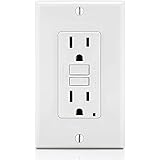
Smart switches are ideal for controlling fixtures with multiple bulbs (e.g., recessed can lights, chandeliers) or where changing individual bulbs isn’t practical or desirable. By replacing the existing wall switch, they control power to all connected “dumb” bulbs, bringing them into the smart home ecosystem. Key benefits:
- Centralized Control: Manage multiple lights from a single point.
- Aesthetic Consistency: Maintain the look of traditional light fixtures.
- Physical Manual Control: The switch always functions physically, even if the smart home system is down.
A notable feature discussed in the video is the availability of smart switches that don’t require a neutral wire, making them compatible with older homes that often lack this wiring in switch boxes. Lutron, though not personally tested for their light switches by the speaker, is cited for its exceptional reliability based on their smart fan switch—a device that went offline “a grand total of once” in three years, setting a high bar for stability in smart home tech.
3. Smart Plugs: Versatility for Plug-In Fixtures
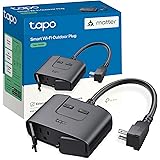
For lamps, string lights, or any device that plugs into a wall outlet, smart plugs offer a simple and cost-effective automation solution. They essentially turn any “dumb” plug-in device into a smart one, allowing for remote on/off control and scheduling. They’re particularly useful for:
- Non-Standard Bulbs: Automating lights with unique bulb types not available as smart variants.
- Seasonal Lighting: Managing holiday lights or outdoor patio lights.
- Affordability: Generally less expensive than smart bulbs for individual light points.
TP-Link Kasa is highlighted as a reliable and affordable brand in this category, though it’s important to remember that most smart plugs are Wi-Fi based, requiring vigilance regarding network load if deploying many devices.
4. Smart Light Strips: Dynamic Accents and Creative Illumination
LED light strips have become ubiquitous for adding dramatic flair, accent lighting, or ambient glow. Their flexibility and adhesive backing allow them to be installed almost anywhere, from under cabinets to behind monitors or along ceiling coves. Understanding the different types of light strips is crucial:
- RGB (Red, Green, Blue): These strips combine red, green, and blue diodes to create a spectrum of colors. However, creating accurate whites by mixing these three primaries often results in a cool, somewhat artificial white. They can only display one uniform color at a time across the entire strip.
- RGBW (Red, Green, Blue, White): Adding a dedicated white diode significantly improves the accuracy and warmth of white light, making these strips ideal for spaces where functional white light is important alongside color options. Like RGB strips, they display one uniform color at a time.
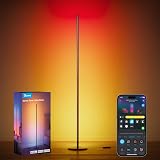
- RGBIC (Red, Green, Blue, Independent Control): The “IC” stands for “Independent Control” or “Independent Chip.” These strips allow for multiple colors to be displayed simultaneously along different segments of the strip. This opens up possibilities for intricate lighting effects, dynamic gradients, and animations, making them popular for entertainment setups or highly customizable accent lighting.
- RGBICW (Red, Green, Blue, Independent Control, White): The pinnacle of light strip technology, combining the multi-color segment control of RGBIC with the accurate white light of a dedicated white diode. These offer the most versatility for both vibrant effects and functional, high-quality white illumination.
Govee is praised for its affordable and high-quality RGBIC strips, while Philips Hue offers a premium RGBW strip known for superior white light accuracy and color saturation, albeit at a higher price point and without multi-segment control. The choice hinges on whether dynamic, multi-color effects or accurate white light is the primary requirement.
Enhancing Functionality with Smart Lighting Accessories
Beyond the primary lighting devices, a range of accessories can significantly improve the usability and automation capabilities of your smart lighting system. These tools empower users to interact with their lights more intuitively and unlock advanced, context-aware automations.
1. Smart Buttons and Dimmers: Tactile Control Reimagined
Smart buttons and wireless dimmer switches provide physical control points without the need for a smartphone or voice commands. These can be placed anywhere, adhering to walls or existing switch plates, offering convenient access to light control. They are indispensable for achieving the “manual dumb controls” fail-safe discussed earlier and are critical for households with diverse users, including guests or children, who may not have access to an app or prefer tactile interaction. Philips Hue’s robust ecosystem, with its reliable switches and motion sensors, stands out for its consistent performance and seamless integration.
2. Motion and Occupancy Sensors: Automating Presence
Motion and occupancy sensors are game-changers for truly seamless smart lighting. By detecting movement or presence, they can trigger lights to turn on or off automatically, eliminating the need for manual interaction when entering or leaving a room. This not only enhances convenience but can also contribute to energy savings by ensuring lights are only on when needed. For instance, a sensor in a hallway can illuminate the path only when someone is present, dimming or turning off as they pass. Integrating these sensors with specific time-of-day automations (e.g., dimming lights at night) further refines the user experience.
Ultimately, a sophisticated smart lighting setup balances technological capability with practical usability. The goal is to create an environment that responds intelligently to your needs, enhances comfort and aesthetics, and remains effortlessly controllable, ensuring that the technology serves you, not the other way around. Investing in robust protocols, understanding product nuances, and incorporating reliable accessories will pave the way for a truly next-level lighting experience.
Your Smart Light Queries: Shedding Light on 2025
What are smart lights?
Smart lights are advanced lighting systems that go beyond simple on/off control, allowing for seamless integration and enhanced features in your home. They can be controlled remotely, automated, and often change brightness and color.
How do smart lights connect and communicate in a home?
Smart lights typically connect using either Wi-Fi, which links directly to your home’s router, or specialized low-power protocols like Zigbee and Z-Wave, which usually require a separate hub.
Why would I choose Zigbee or Z-Wave smart lights over Wi-Fi ones?
Zigbee and Z-Wave systems are generally more reliable and scalable for many devices, as they create a dedicated mesh network and reduce load on your Wi-Fi. Wi-Fi lights are simpler for just a few devices but can slow your network with too many.
What are the different kinds of smart lighting devices available?
Common smart lighting devices include smart bulbs to replace existing ones, smart switches to control whole fixtures, smart plugs for lamps, and smart light strips for accent lighting. Each type helps automate different lights in your home.
What happens if I turn off the regular wall switch for a smart bulb?
If you turn off the physical wall switch, the smart bulb loses power and won’t be able to respond to app or voice commands. It needs constant power from the switch to function as a smart light.