The landscape of home automation is constantly evolving, presenting both exciting opportunities and complex choices for enthusiasts and newcomers alike. As we navigate towards 2025, the vision of a truly interconnected, intuitive smart home is becoming more tangible than ever before. For those looking to establish or enhance their smart home setup, understanding the foundational platforms, communication protocols, and cutting-edge devices is crucial. The accompanying video offers an excellent overview, and this article aims to expand upon those insights, providing a deeper dive into making informed decisions for your 2025 smart home.
Choosing Your Smart Home Platform: The Central Nervous System of Automation
Selecting the right smart home platform is akin to choosing the operating system for your personal computer; it dictates compatibility, user experience, and the overall capabilities of your connected devices. While numerous options exist, a few stand out for their robust features, community support, or sheer simplicity. Your choice will largely depend on your technical comfort level and how deeply you wish to customize your automation.
Home Assistant: The Power User’s Sanctuary
For those who demand ultimate control and unparalleled flexibility, Home Assistant remains the undisputed leader. This open-source platform, as highlighted in the video, sidesteps the limitations often encountered with proprietary systems. Imagine a scenario where a device from one ecosystem stubbornly refuses to integrate with another; Home Assistant frequently provides the bridge. It operates on a small local server, such as the Home Assistant Green (available for approximately $99 US), ensuring that your automations run reliably even if your internet connection falters. Its strengths lie in extensive device integration, frequent updates to new standards like Matter, and a vibrant community that continuously expands its capabilities. The trade-off, however, can be a steeper learning curve for new users, given its vast potential.
Ecosystem-Specific Hubs: Apple, Google, Amazon, Samsung
For many households, the existing tech ecosystem plays a significant role in platform choice. Each offers a more streamlined, user-friendly experience, albeit with potential limitations compared to Home Assistant:
- Apple Home: Ideal for Apple users. It prioritizes local control, thanks to the requirement of a home hub (like an Apple TV 4K or HomePod). Integration is straightforward, and the UI is intuitive. For advanced users, Home Assistant can act as a backend, exposing devices to Apple Home for a polished frontend experience.
- Google Home: A solid choice for Android and Windows users who prefer simplicity. While generally easy to set up, the video notes potential latency with Google Assistant responses, suggesting some commands might still rely on cloud processing.
- Amazon Alexa: Known for its exceptional ease of setup and broad device compatibility. Alexa devices often auto-discover new hardware, simplifying the onboarding process. Its simplicity makes it a popular entry point into smart home tech.
- Samsung SmartThings: Caters specifically to Samsung ecosystem users. It offers a good balance of features and ease of use for those not seeking the technical depth of Home Assistant.
Homey: A Niche, Designed Experience
Homey, recently acquired by LG, offers a premium hub experience with a sleek app and automation engine. Like Home Assistant, it emphasizes local control, providing a secure and resilient setup. However, its proprietary nature means fewer device integrations and a smaller community compared to open-source alternatives. While products like the Homey Pro Mini exist, its higher price point (around $200 US) compared to solutions like the Home Assistant Green with Sky Connect often makes it a harder recommendation for the budget-conscious power user.
Understanding Smart Home Protocols: The Language of Devices
Beyond platforms, understanding smart home protocols is fundamental to building a cohesive system. These “rules” dictate how your devices communicate, often requiring specific hardware. The main players are Wi-Fi, Thread, Zigbee, and Z-Wave.
- Wi-Fi: Ubiquitous and requires no additional hub, but can congest your network with too many devices and consume more power.
- Thread: A newer, low-power mesh networking protocol designed for smart home devices. It creates a robust, self-healing network. A Thread border router (often built into devices like the Apple TV 4K with ethernet) is needed to connect Thread devices to your internet.
- Zigbee & Z-Wave: Mature, low-power mesh protocols, often requiring a dedicated hub (like the Philips Hue Bridge for Zigbee lights). They excel at creating reliable networks for many devices without bogging down your Wi-Fi.
Knowledge of these protocols is vital. It helps you anticipate connectivity needs—for instance, a Thread-enabled door lock will need a Thread border router to function fully. Moreover, understanding protocols can simplify your setup by allowing multiple devices to share a single hub, optimizing your network and reducing complexity.
Matter: The Unifying Standard for Smart Home Interoperability
The advent of the Matter standard marks a pivotal moment for the smart home industry. Historically, integrating devices from different brands or ecosystems was a frustrating endeavor, often requiring workarounds or limiting choices. Matter aims to resolve this by providing a common language for devices, enabling them to communicate seamlessly across platforms.
Imagine purchasing a smart thermostat, like the new Nest Thermostat, and being able to effortlessly integrate it into your Apple Home, Google Home, or even Home Assistant, regardless of its primary brand affiliation. Matter achieves this through device credential sharing, allowing a device paired with one platform to easily generate a code for pairing with another. This significantly broadens device compatibility and user choice, propelling us closer to a truly interoperable smart home experience in 2025 and beyond.
Essential Smart Home Devices for 2025
With a clearer understanding of platforms and protocols, let’s explore some key device categories and specific recommendations for your 2025 smart home.
Smart Thermostats: Efficiency Meets Automation
Smart thermostats are an excellent starting point for automation, offering both comfort and energy savings. The latest models go beyond simple scheduling, incorporating learning algorithms and remote sensors for whole-home temperature accuracy.
- Fourth-Gen Nest Thermostat: This device stands out for its elegant design, larger display, and intelligent learning capabilities. It adapts to your preferences based on various environmental factors, providing a personalized comfort profile. Crucially, its Matter support ensures easy integration across platforms, making it a top recommendation.
- Ecobee Premium Smart Programmable Thermostat: A strong contender with a premium build, a larger screen, and on-device support for multiple assistants. While a powerful thermostat, its lack of announced Matter support at the time of recording positions the Nest Thermostat as a more future-proof choice for cross-platform integration.
Smart Locks: Security, Convenience, and Cutting-Edge Tech
Smart locks have revolutionized home access, moving beyond physical keys to offer enhanced security and unparalleled convenience. They allow for phone/watch access, temporary guest codes, and remote verification of your door’s status.
The evolution of smart locks in 2025 is particularly exciting with new technologies:
- Apple Home Key: Allows unlocking by tapping an iPhone or Apple Watch.
- Aliro Standard: Builds on Home Key’s NFC technology, extending tap-to-unlock capabilities to Android phones.
- Ultra Wideband (UWB): This technology, also used in AirTags for precision finding, is set to redefine auto-unlocking. UWB-enabled locks, like the anticipated Schlage Sense Pro and Ultraloq Bolt Mission, can accurately determine your proximity and direction of approach, providing a seamless and reliable auto-unlock experience as you arrive home.
For those prioritizing immediate Matter over Thread and Home Key support, the Schlage Encode Plus Smart Wi-Fi deadbolt is an excellent option currently available. Renters might consider brands like August or Level, which allow retention of existing exterior keys, with August locks benefiting significantly from a bridge for extended battery life (from 1-3 months to 4-6 months).
Smart Lighting: Ambiance, Security, and Efficiency
Smart lighting is a popular entry point into home automation. The increasing prevalence of Matter simplifies buying lights from different manufacturers and integrating them into a single platform for seamless automation.
Key players include Philips Hue, LIFX, Govee, Nanoleaf, Lutron, and GE Cync. Philips Hue, though often pricier, is renowned for its reliability and vast ecosystem. Accessories like smart switch modules can transform existing wall switches into smart controls, preventing accidental power cuts to your smart bulbs.
Elevate your smart lighting with motion sensors. Passive infrared sensors can trigger lights upon entry and turn them off after a set time. Millimeter wave sensors represent an upgrade, detecting static presence, ensuring lights remain on as long as a room is occupied, then turning off once it’s empty.
Smart Blinds, Shades, and Curtains: Automated Comfort
Automating window coverings adds a touch of sophistication and convenience, controlling natural light, privacy, and insulation. Companies like Lutron, IKEA, and SmarterHome offer a range of solutions. Lutron’s battery-operated wood blinds, as mentioned, demonstrate impressive longevity, requiring infrequent battery changes over several years.
Smart Security Systems: Integrated Peace of Mind
When selecting a smart security system, consider its integration capabilities with your broader smart home setup. Imagine a scenario where a door sensor from your security system triggers your smart lights to turn on, or your smart thermostat adjusts when you arm/disarm the system. This level of integration dictates whether you opt for a professionally installed and monitored system or a DIY approach.
DIY systems with professional monitoring, such as Abode and Ring Alarm, offer good integration with Home Assistant. Abode is particularly noteworthy for its compatibility across major smart home platforms and local operation via HomeKit integration. In contrast, some systems like SimpliSafe currently lack Apple Home integration or Matter support, limiting their role in a fully integrated smart home ecosystem.
Smart TVs and Streamers: The Entertainment Hub
Instead of focusing on the smart features of the TV itself, prioritize the streaming box for smart home integration. Devices like the Apple TV 4K, Google TV Streamer, Fire TV, and Roku can be integrated into your smart home, allowing for automations like turning off living room lights when the TV powers on. The Apple TV 4K with ethernet and Google TV Streamer are particularly strong contenders, offering Thread support and some Matter integration, ensuring robust local control for entertainment-focused automations.
Smart Appliances and Plugs: Practical Additions
While many large appliances now boast “smart” features, their practical utility often requires careful consideration. The added complexity and cost may not always justify the functionality. A smart oven that automatically turns off when no one’s home offers a clear benefit, but often, simpler solutions exist.
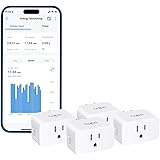
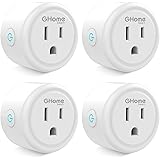
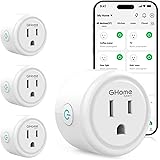
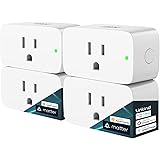
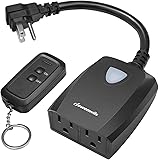
Smart plugs remain one of the most versatile and cost-effective smart home accessories. They can instantly “smarten up” dumb devices, from holiday decorations to coffee makers, allowing for remote control and scheduling. Brands like TP-Link and Amazon offer reliable options, with Zigbee-enabled plugs (such as Sonoff Zigbee plugs, typically around $10 US) being particularly easy to integrate with platforms like Home Assistant due to their open nature and robust mesh networking capabilities.
The Future is Integrated: Navigating Your Smart Home Journey
As we advance into 2025, the vision of a truly integrated smart home is closer than ever, largely thanks to initiatives like the Matter standard. While the dream of “everything working in one app” remains aspirational for most proprietary ecosystems—Home Assistant being a notable exception—the ability to seamlessly blend devices from various brands is becoming a reality. The journey into home automation requires some initial effort in setup and design, but the resulting convenience, efficiency, and enhanced living experience often allow the technology to fade into the background, working exactly as it should. Your 2025 smart home can be a testament to thoughtful integration and intelligent design.
Your Smart Home Future: Questions Answered
What is a smart home platform?
A smart home platform is like the operating system for your connected devices, controlling how they work together. It dictates compatibility and your overall experience with your smart home.
What is ‘Matter’ in smart homes?
Matter is a new standard designed to help smart home devices from different brands and platforms communicate easily. It aims to make all your devices work together seamlessly.
Why do I need a smart home platform or hub?
A platform or hub acts as the central brain for your smart home, allowing devices to connect and automate tasks. It helps manage communication between different types of smart devices for a cohesive system.
What are smart home protocols like Thread or Zigbee?
Smart home protocols are the ‘languages’ that devices use to talk to each other, such as Thread, Zigbee, and Z-Wave. They often create reliable, low-power networks for your smart devices.