Reports consistently highlight the escalating adoption of smart home technology, with the global smart lighting market projected to grow significantly in the coming years. This shift underscores a broader trend towards integrated, intelligent living spaces. As the accompanying video succinctly illustrates, the transformation offered by smart lights extends far beyond simple illumination. These aren’t just basic bulbs; they are sophisticated components that fundamentally redefine how we interact with and experience our living environments, promising unparalleled convenience and efficiency.
The Transformative Power of Smart Lights
Traditional lighting setups often feel restrictive, forcing manual operation and limiting creative expression. However, smart lighting systems completely overturn this paradigm. They introduce a level of control and flexibility that was once unimaginable, integrating seamlessly into modern lifestyles and offering a host of benefits that justify the initial investment.
Beyond Basic Illumination: Redefining Convenience
One of the most compelling advantages of smart lighting is the sheer convenience it offers. Imagine no longer needing to traverse your home, flicking numerous switches to illuminate a space or fumbling in the dark for an awkwardly placed lamp switch. With smart lights, control is literally at your fingertips, whether through a smartphone app, a dedicated remote, or even your voice assistant.
While conventional switches demand physical interaction, smart home devices enable centralized command over your entire lighting network. You can effortlessly manage individual lights, groups of lights, or even your whole house’s illumination from a single interface, all without ever leaving your comfortable seat. This seamless control is a game-changer for busy households and those seeking an effortless living experience.
Crafting Your Environment: Unmatched Personalization
The ability to adjust brightness and color temperature based on your mood or activity is a core feature that elevates smart lighting far beyond its conventional counterparts. Unlike fixed lighting, smart bulbs empower you to sculpt the ambiance of any room with precision. Imagine setting a vibrant, cool white light for focused work during the day, then effortlessly transitioning to a warm, inviting glow for an evening of relaxation or entertainment.
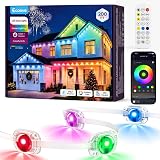
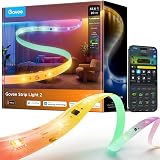
Furthermore, many advanced smart lighting systems offer a full spectrum of colors, allowing for truly dynamic and personalized environments. You could transform a living room into a serene blue oasis, a vibrant party zone with shifting hues, or a cozy, autumnal retreat with a single tap. This level of customization ensures your home always reflects your desired mood and function, adapting to your needs throughout the day.
The Intelligence of Automation: Set It and Forget It
One of the true marvels of smart lighting is its capacity for automation, effectively removing the need to ever think about turning lights on or off. You can easily establish personalized schedules, programming your lights to activate and deactivate at specific times, mimicking natural daylight cycles or simply aligning with your daily routine. Imagine waking up to a gentle, simulated sunrise and having your lights dim gradually as bedtime approaches.
Beyond simple scheduling, smart lights can integrate with other smart home components for even greater intelligence. Motion sensors can trigger lights upon entry into a room, while geofencing capabilities can illuminate your pathway automatically as you arrive home. This interconnectedness not only adds to convenience but also contributes to energy efficiency, ensuring lights are only on when and where they are truly needed.
Smart Lighting Protocols and Ecosystems
When diving deeper into the world of smart lighting, understanding the underlying technologies can be beneficial. Most smart lights communicate using various wireless protocols, each with its own advantages. Wi-Fi-based bulbs connect directly to your home network, offering simplicity for smaller setups. However, for more extensive systems, protocols like Zigbee or Z-Wave often provide a more robust mesh network, extending range and reliability.
Compatibility is key, as different brands often operate within specific ecosystems. While some systems are largely standalone, many integrate with popular smart home platforms like Amazon Alexa, Google Home, or Apple HomeKit. This integration allows for unified control over all your smart devices, from lighting to thermostats and security systems, creating a truly interconnected and intelligent living space. Choosing an ecosystem that aligns with your current or future smart home plans is a crucial consideration.
The Tangible Value: Why Smart Lights Are a Smart Investment
While the upfront cost of smart lighting might seem higher than traditional bulbs, the long-term benefits often lead to significant savings and enhanced living. Smart lights, predominantly utilizing LED technology, consume considerably less energy than incandescent bulbs, leading to noticeable reductions in electricity bills. Furthermore, LED smart bulbs boast an exceptionally long lifespan, often lasting for tens of thousands of hours, which minimizes replacement costs and maintenance.
Beyond the practical savings, the value of smart lighting extends to improved home security. Automated schedules and random on/off patterns can create the illusion of occupancy when you’re away, deterring potential intruders. Moreover, the enhanced control and personalization contribute to an elevated quality of life, transforming mundane tasks into seamless experiences. These intelligent systems are not just about illumination; they represent a significant upgrade to modern living, making smart lights a truly wise and worthwhile investment for any homeowner.
Illuminating Your Investment: Smart Lighting Q&A
What are smart lights?
Smart lights are advanced bulbs that allow you to control and customize your home’s illumination beyond traditional switches. You can manage them using smartphone apps, voice assistants, or dedicated remotes for greater convenience and efficiency.
What are the main benefits of using smart lights in my home?
Smart lights offer effortless control, allowing you to adjust them from anywhere. They also provide unmatched personalization with adjustable brightness and color, and automation through scheduling or integration with other smart devices.
Are smart lights a good financial investment?
Yes, smart lights are a good investment because they use energy-efficient LED technology, reducing electricity bills. They also have a significantly longer lifespan than traditional bulbs, cutting down on replacement and maintenance costs.