A recent unfortunate event reminded a friend of mine about the importance of safeguarding one’s home. The search for a reliable home security system can be quite daunting. The market is saturated with options. Choosing the correct system for your specific needs requires careful consideration. Fortunately, the accompanying video provides an excellent overview of the top home security systems of 2024. This article will expand upon these insights. It offers a deeper dive into features, benefits, and potential drawbacks.
Selecting among various home security systems involves more than just picking a brand name. Factors like equipment quality, monitoring plans, and smart home compatibility are crucial. Both DIY and professionally installed options exist. Each presents distinct advantages for different household requirements.
Vivint: Smart Integration for Comprehensive Home Security Systems
Vivint stands out for its deep smart home integration. Its proprietary equipment is designed from the ground up. This ensures a cohesive smart home security experience. The system is custom-designed by installation professionals.
Notable devices are offered by Vivint. The Outdoor Camera Pro features Smart Deter technology. This actively deters intruders with lights and sound. The Vivint Car Guard provides vehicle tracking and diagnostics. This makes it an ideal addition to a holistic home security system.
However, Vivint has faced criticism. Concerns about business tactics have been raised. Pushy sales representatives are often cited. The absence of a trial period is also a significant drawback. Customers cancelling early may face full contract charges.
ADT Home Security: A Legacy Meets Modern Technology
ADT’s presence in home security spans nearly 150 years. This makes it a true industry pioneer. It predates many common modern conveniences. This extensive history speaks to its established reliability.
A significant partnership with Google Nest has modernized ADT offerings. Both professional and self-setup systems are now compatible. Google Nest cameras bring sharp video and AI-powered alerts. This enhances the overall security capabilities.
Nonetheless, some traditional practices persist. ADT systems often involve contracts and credit checks. Hidden fees can also be encountered. Thorough inquiry is always advised before commitment to any home security system.
Cove Home Security: User-Friendly and Responsive
Cove Home Security is often likened to a friendly neighbor. It may not possess the flashiest features. Yet, its approachability and customer focus are highly valued. Systems are customized to individual needs.
User feedback is taken seriously by Cove. The introduction of “Cove Credit” exemplifies this commitment. Customers earn $5 monthly towards upgrades. This rewards loyalty and encourages equipment modernization.
Technical support for Cove systems is also highly rated. Knowledgeable representatives provide quick and polite answers. This level of service is a strong selling point. However, smart home integration remains somewhat limited. Expansion to Z-Wave devices is a recent development. Broader compatibility is still desired.
Ring Home Security: Ubiquitous Cameras and Subscription Models
Ring became synonymous with doorbell cameras. Its influence on the home security market is undeniable. A wide range of easy-to-install kits is available. These kits cater to various living situations.
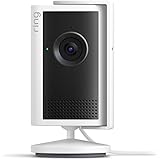
Equipment quality generally sits in the middle tier. It provides functional reliability rather than premium performance. Ring offers an extensive camera suite. Dozens of camera types are available. These include Stick Up Cams, Floodlight Cams, and Spotlight Cams. Multiple power source options add to their versatility.
A contentious point is the monthly subscription. Basic features like video cloud storage are often paywalled. This practice is seen as a cardinal home security sin by many. It effectively locks essential functionality behind an ongoing fee.
SimpliSafe: Simplifying Home Security Systems for New Users
SimpliSafe excels at demystifying home security. It is ideal for first-time users. Package sizes accommodate various spaces. Setup, use, and programming are notably straightforward.
The Fast Protect monitoring plan includes the innovative Live Guard feature. An indoor camera with a privacy shutter is integrated. When the armed system is triggered, a monitoring professional checks the property visually. This adds a crucial layer of verification.
Compatibility with other smart home brands is a known limitation. Integration with Amazon and Google speakers is possible but not always seamless. Broader third-party integration, perhaps including HomeKit, would enhance its appeal. This is a common desire for many home security systems.
Abode: A Hub for Smart Home Automation
Abode is renowned for its home automation capabilities. It integrates broadly with smart home standards. Amazon Alexa, Google Assistant, HomeKit, Bose, and Sonos are all supported. Its user-friendly app streamlines device integration.
Three distinct base stations are offered. One even includes a built-in camera. These cater to different needs and budgets. Abode excels in small to medium-sized spaces. This makes it a great choice for apartments or smaller homes.
However, equipment packages can be costly. Outfitting a large home can become expensive quickly. Especially if compatible smart home gear is not already owned. This pricing structure needs to be considered when choosing an Abode home security system.
Frontpoint: Robust DIY Equipment and Personalized Response
Frontpoint provides some of the best DIY security equipment. Entry-level packages often include premium devices. Smoke and carbon monoxide detectors are examples. All systems are completely cellular. This ensures robust communication.
The system features crash and smash protection. Tampering with the panel or keypad is reported. This ensures alarms are sent even if damage occurs. Personalized emergency response is a standout service. Medical details can be provided to first responders. ID theft protection is also offered through an Allstate partnership. These services enhance overall peace of mind.
Acquiring month-to-month options can be challenging. An online cart may not offer this flexibility. Direct phone calls are sometimes necessary to avoid longer contracts. This process can be somewhat cumbersome for those seeking flexible home security systems.
Securing Your Sanctuary: Your Home Security Q&A
What are some important things to consider when choosing a home security system?
When selecting a system, you should consider factors like the quality of the equipment, the available monitoring plans, and its compatibility with your existing smart home devices.
Can I install a home security system myself, or do I need a professional?
You can choose between DIY (Do-It-Yourself) and professionally installed home security systems. Each option offers different advantages depending on your skills and specific household requirements.
Do home security systems usually work with other smart devices in my home?
Many modern home security systems offer some level of smart home compatibility, allowing them to integrate with devices like smart speakers or cameras. However, the extent of this integration can vary significantly by brand.
Are contracts and monthly fees always required for home security systems?
Many home security providers, such as ADT and Ring, often involve contracts and monthly subscriptions for their services and advanced features. It’s important to inquire about these terms, as they can vary between companies.