Imagine returning home after a long day, only to find an unwelcome surprise: a broken window, a ransacked room, and a gut-wrenching sense of violation. This scenario, unfortunately, is a reality for countless homeowners each year. However, with advancements in technology, preventing such incidents and ensuring peace of mind has become more accessible than ever. As George Langevin discusses in the insightful video above, leveraging expertise in loss prevention and surveillance can transform your home’s safety profile.
For many years, the concept of a truly secure and intelligent home seemed like science fiction. Yet, today’s landscape offers a rich tapestry of smart home technology and robust home security systems, creating an environment where protection and convenience coexist seamlessly. Understanding the nuances of these systems is crucial for any homeowner looking to safeguard their property and loved ones effectively.
The Evolution of Smart Home Technology and Home Security
The journey from basic alarm systems to integrated smart home ecosystems has been remarkable. Initially, home security primarily focused on reactive measures, such as sirens blaring once a breach occurred. Over time, surveillance cameras became more prevalent, offering visual evidence post-event. George Langevin, with his extensive background as a loss prevention manager and the founder of Silverhammer Surveillance in 2008, has witnessed this evolution firsthand, applying expert-level insights to civilian applications.
Currently, the smart home security market is projected to reach significant valuations, with reports indicating a global market size exceeding tens of billions of dollars. This growth is driven by consumer demand for proactive monitoring, remote access, and seamless integration with other smart devices. The convergence of smart home technology and dedicated security features creates a powerful defense mechanism, moving beyond simple alarms to sophisticated, intelligent protection.
Integrating Smart Devices for Enhanced Protection
True smart home security extends beyond traditional door and window sensors. It encompasses a network of interconnected devices that communicate to provide a comprehensive shield. Consider smart locks, which allow you to grant temporary access or lock doors remotely, eliminating the risk of lost keys. Furthermore, video doorbells offer real-time viewing and two-way communication with visitors, deterring potential intruders before they even reach your threshold.
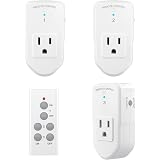
Smart lighting systems also play a significant role in creating an impression of occupancy, even when you are away. These systems can be programmed to mimic daily routines, turning lights on and off at staggered intervals. This simple yet effective measure has been shown to be a deterrent, as approximately 60% of burglars cite an unoccupied home as a primary target. Therefore, creating an active home illusion significantly reduces vulnerability.
Advanced Surveillance Equipment: Your Eyes on the Property
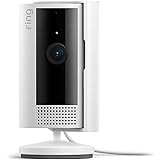
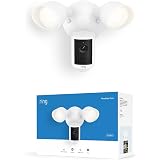
Surveillance equipment forms the cornerstone of any effective home security strategy. Modern cameras offer high-definition video, night vision capabilities, and even artificial intelligence (AI) features like facial recognition and package detection. These advancements transform passive monitoring into active, intelligent oversight. Consequently, you receive more accurate alerts, minimizing false alarms and focusing on genuine threats.
George’s experience in using surveillance equipment to catch individuals engaged in illicit activities highlights the power of visual evidence. For homeowners, this translates into not only deterring crime but also providing crucial footage for law enforcement if an incident occurs. A 2023 study indicated that homes with visible security cameras are approximately 300% less likely to be targeted by burglars than those without. This statistic alone underscores the deterrent effect of robust surveillance.
Key Features of Modern Security Cameras
When selecting surveillance solutions for your smart home, several features warrant close attention. Firstly, resolution is paramount; 1080p HD is a minimum, with 4K options offering superior detail. Secondly, consider field of view, ensuring wide coverage for critical areas. Furthermore, two-way audio allows for direct communication, while motion detection with customizable zones helps pinpoint activity.
Cloud storage options provide off-site backup for video footage, safeguarding it even if the camera itself is compromised. Local storage via SD cards offers an alternative for those preferring to keep data within their network. Additionally, weather-resistant ratings (IP ratings) are essential for outdoor cameras to withstand diverse environmental conditions. Therefore, selecting cameras with a robust feature set significantly enhances your smart home security posture.
Building a Robust Home Security System
Constructing a comprehensive home security system involves more than just individual devices; it requires a cohesive strategy. This begins with an assessment of your property’s vulnerabilities. Identifying potential entry points, valuable assets, and areas of concern allows for a tailored approach to security system deployment. Many homeowners overlook seemingly minor vulnerabilities, such as unlit areas or easily accessible windows.
In addition, choosing a central hub or ecosystem that supports a wide range of devices is critical for seamless integration. Brands like Amazon Alexa, Google Home, and Apple HomeKit offer platforms that consolidate control over various smart devices. Establishing compatibility across your devices simplifies management and enhances the overall responsiveness of your security setup. This integration streamlines operations and provides a unified control interface.
Professional Installation Versus DIY Approaches
Deciding between professional installation and a do-it-yourself (DIY) approach is a common dilemma for homeowners. DIY smart home security systems offer flexibility and can be more budget-friendly initially. However, professional installation, such as that offered by Silverhammer Surveillance since 2008, ensures optimal placement, correct configuration, and often includes ongoing support or monitoring services. This professional touch can be invaluable for complex setups or for individuals less comfortable with technology.
A study by the Electronic Security Association found that homes with professionally monitored security systems experience significantly lower rates of burglaries compared to those without. This suggests that the human element of immediate response can be a decisive factor in preventing losses. Therefore, while DIY offers convenience, professional services often provide a higher degree of reliability and expert configuration for your smart home technology and home security.
Your Smart Home, Secure Future: Questions & Answers
What is smart home technology and home security?
Smart home technology integrates devices to make your home more convenient and secure. Home security specifically focuses on protecting your property and loved ones using these advanced systems.
Who is George Langevin and what is his role in smart home security?
George Langevin is an expert in smart home and home security, with a background in loss prevention and surveillance. He applies his expertise to help homeowners secure their properties.
What are some basic smart devices that can enhance home security?
Basic smart devices like smart locks allow remote control of doors, while video doorbells let you see and speak to visitors. Smart lighting can also deter intruders by making your home appear occupied.
Why are surveillance cameras important for home security?
Surveillance cameras are important because they can deter potential intruders from targeting your home. They also provide valuable visual evidence to law enforcement if an incident occurs.